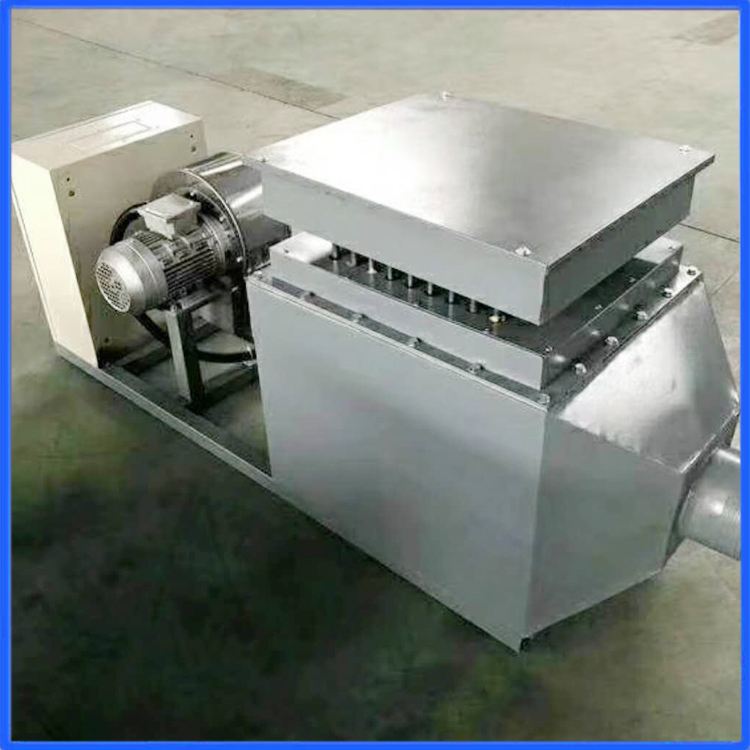
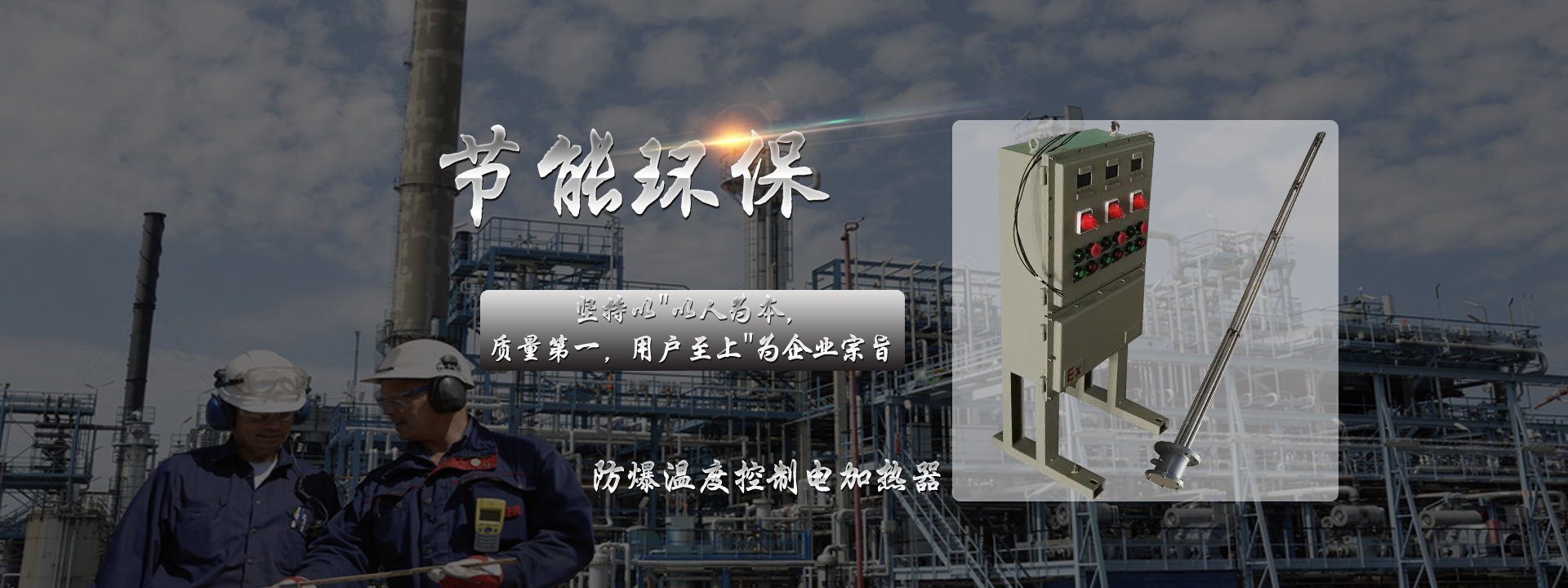
Duct electric heater is an explosion-proof electric heater that can be used in hazardous locations where explosions may occur. Its explosion-proof rating can reach Class dⅡB and Class C, and its pressure resistance can reach 20MPa.
Duct electric heater has fast thermal response, high temperature control accuracy, and high overall thermal efficiency. It has high working temperature, uniform medium outlet temperature, wide application range, and strong adaptability. The duct electric heater is made of special electric heating materials, designed with low surface power load, and adopts multiple protections, greatly improving the safety and service life of the electric heater.
Explosion-proof electric heaters are generally used in hazardous locations where explosions may occur. Since the surrounding environment contains various flammable and explosive oils, gases, dust, etc., once they come into contact with electric sparks, an explosion may occur. Therefore, heating in such occasions requires the use of explosion-proof electric heaters. The internal control system of the electric heater automatically adjusts the output power of the electric heater based on the temperature sensor signal at the outlet, making the medium temperature at the outlet uniform.
If the heated material overheats, causing coking, deterioration, or carbonization, it may severely damage the heating element, effectively extending the service life of the electric heater. The main explosion-proof measure of the explosion-proof electric heater is the installation of an explosion-proof device in the junction box of the heater, eliminating the risk of electric spark ignition.
The resistance wire of the duct electric heater is made of nickel-chromium alloy, with a temperature of up to 800°C or more. Since the power of electric heaters is relatively large, if users neglect safety, a fire may occur at any time.
What are the causes of fires in electric heaters? How can we prevent fire hazards?
Fire causes mainly include the following:
1. The electric heater is not equipped with a plug, and the wire end is directly inserted into the socket, which can easily cause a short circuit and lead to a fire.
2. Placing the energized electric heater on combustible materials or near flammable materials can cause a fire under prolonged high-temperature baking.
3. The user leaves without unplugging the electric heater, causing it to overheat over time and ignite nearby combustibles, resulting in a fire.
4. Repeated repair and continued use of the resistance wire can cause circuit overload and lead to a fire.
Measures to prevent fire hazards:
(1) During use, do not place flammable and explosive items near the electric heater; maintain a certain safe distance.
(2) The safe current-carrying capacity of the electric heater's wires must meet the capacity requirements of the heater. Industrial electric heaters must be equipped with a separate circuit under any circumstances.
(3) The wires must be fitted with a plug; do not insert the wire end directly into the socket. The electric heater must be placed on a non-conductive, non-combustible base.
(4) The duct electric heater must be attended during use. Unplug it when leaving. In case of a power outage during use, promptly unplug the heater and do not forget.
(5) For resistance wires that have been repaired multiple times, it is no longer recommended to use them; replace with new resistance wires.
(6) If the wires of the electric heater are aged or damaged, replace them promptly. Do not use an electric heater without a fuse installed in the circuit.
(7) It is strictly forbidden to use electric heaters to dry flammable and explosive items.
(8) Electric drying ovens should be equipped with temperature control devices to prevent both excessive temperature and prolonged heating.
(9) Although the duct electric heater has multiple protection devices, check all wiring terminals before use to ensure they are secure. Implement grounding measures to ensure safety.
(10) Install a filter at the air inlet and clean it regularly to prevent foreign objects from entering and damaging the heating tube or affecting its lifespan and heat dissipation performance.