
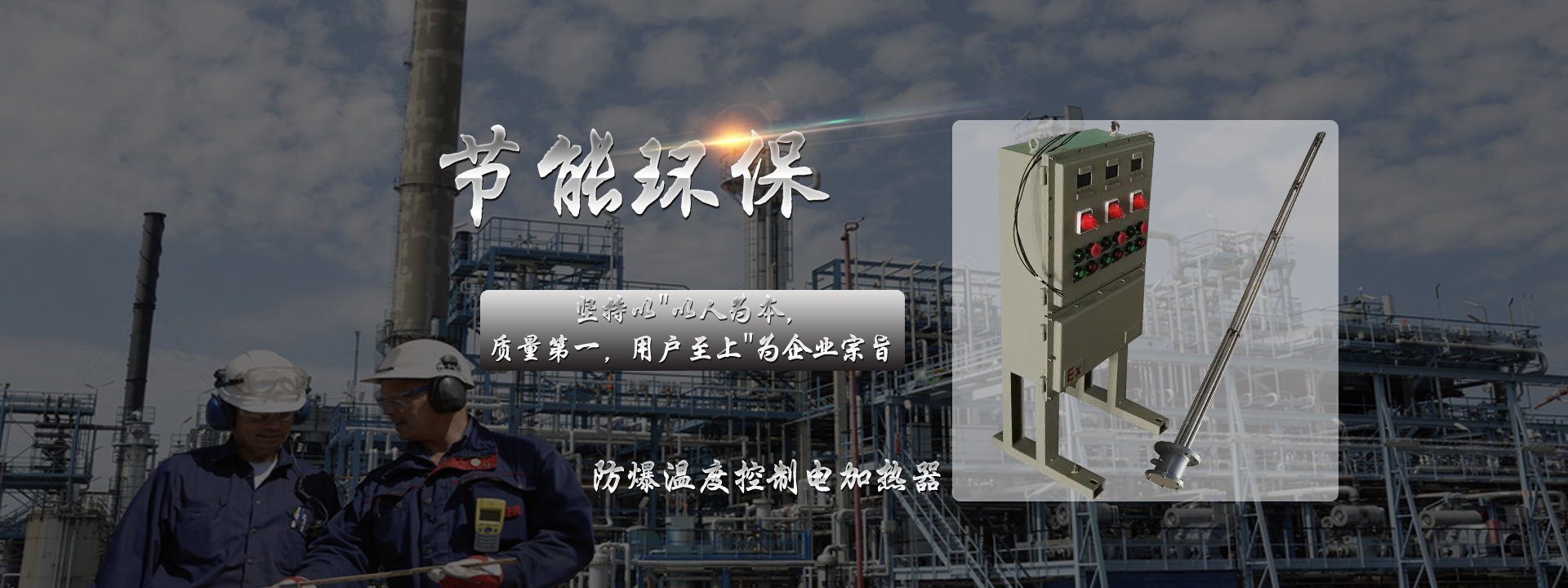
Stainless Steel Electric Heating Rods Material Requirements
1. Among the factors affecting the quality of stainless steel electric heating tubes, the quality of materials accounts for a very important reason. 2. Reasonably selecting the raw materials of the electric heating tube is the prerequisite for ensuring the quality of the electric heating tube.
3. Selection principle of tube materials: temperature resistance and corrosion resistance.
4. Selection of resistance wire: Cr20Ni80
5. Selection of magnesium oxide powder: industrial grade magnesium oxide powder
6. Selection of sealing material: silicone oil + 704 sealant
Stainless Steel Electric Heating Rods Applications
1. Small size, high power: This electric heater mainly uses bundled tubular heating elements inside, and the maximum power of each bundled tubular electric heating element reaches 5000KW.
2. Fast thermal response, high temperature control accuracy, and high overall thermal efficiency.
3. Wide application range, strong adaptability: This circulating heater can be used in explosion-proof or ordinary occasions, with explosion-proof grades up to B and C, and pressure resistance up to 10Mpa. The cylinder can be installed vertically or horizontally according to user needs.
4. High heating temperature: The maximum working temperature of this heater is designed to reach 850°C, which is not achievable by ordinary heat exchangers.
5. Fully automatic control: Through the circuit design of this heater, automatic control of parameters such as outlet temperature, pressure, and flow can be easily achieved, and it can be connected to a computer network for human-machine interaction.
6. Long life, high reliability: This heater is made of special electric heating materials, and the design power load is reasonable. The heater adopts multiple protections, greatly increasing its safety and service life.
7. Stainless steel electric heating tube uses a metal tube as the outer shell, with spiral electric heating alloy wires (nickel-chromium, iron-chromium alloy) evenly distributed along the axial center inside the tube. The gaps are filled and compacted with magnesium oxide sand that has good insulation and thermal conductivity. The tube ends are sealed with silicone or ceramic. This metal-sheathed electric heating element can heat air, metal molds, and various liquids. High-temperature resistance wires are evenly distributed inside a high-temperature resistant stainless steel seamless tube, and the gaps are densely filled with crystalline magnesium oxide powder with good thermal conductivity and insulation properties. This structure is not only advanced and has high thermal efficiency, but also provides uniform heating. When current passes through the high-temperature resistance wires, the generated heat diffuses to the metal tube surface through the crystalline magnesium oxide powder and then transfers to the heated object or air.