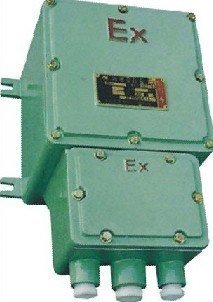

Explosion-proof transformerWhat inspections are needed before use
Explosion-proof transformer The following work needs to be done before commissioning:
a. The oil level gauge on the oil conservator is intact, the oil level is clear and on the oil baseline consistent with the natural environment. If too high, after the transformer is put into operation with load, the temperature rises, the oil expands and may overflow from the breather pipe at the top of the oil conservator; if too low, during light load in winter or short-term shutdown, the oil level may drop to a position not visible on the oil level gauge.
b. The back cover, bushings, oil level gauge, oil drain valve, etc. are well sealed and free of oil leakage. Otherwise, when the transformer is loaded, under thermal conditions, more serious leakage problems will occur.
c. The explosion-proof membrane of the explosion-proof pipe is intact.
d. The desiccant in the breather is not ineffective.
e. The grounding device of the transformer casing is firm and reliable, because it plays a direct protective role for the transformer.
f. The primary/secondary outgoing bushings of the transformer and their connections with the transmission lines are good, and the phase colors are appropriate.
g. The nameplate on the transformer matches the specified transformer model and specification. For example, the rated voltage of each side, the wiring level of the transformer, the capacity of the transformer, and the position of the tap changer, etc.
h. Measure the insulation of the transformer. Use a 10500~2600MΩ meter to measure the ground resistance of the primary/secondary windings of the transformer, and the resistance between the primary/secondary windings, and record the temperature during measurement. There is no clear regulation on the control value of the ground resistance, but it should be compared with historical conditions or original records, higher than 75% of the factory value (when the temperature of the tested transformer is not directly the same as the temperature during the factory test, it should be calculated to the same temperature for comparison).
i. Measure the resistance of the transformer group connected to the bushing. According to the relevant provisions of Article 6.0.2 of GB50150-1991 "Standard for Handover Test of Electrical Equipment in Household Appliance Installation Engineering": the mutual error of each phase resistance of the explosion-proof transformer should be less than 4% of the average value, and the mutual error of the line resistance should be less than 2% of the average value.
If all the above inspections are qualified, first put the transformer into no-load operation (without load). Check whether the electromagnetic sound is abnormal, and measure whether the secondary side voltage is balanced. If balanced, it indicates that the transformer ratio is normal, there is no inter-turn short circuit, and the transformer can operate normally with load.