
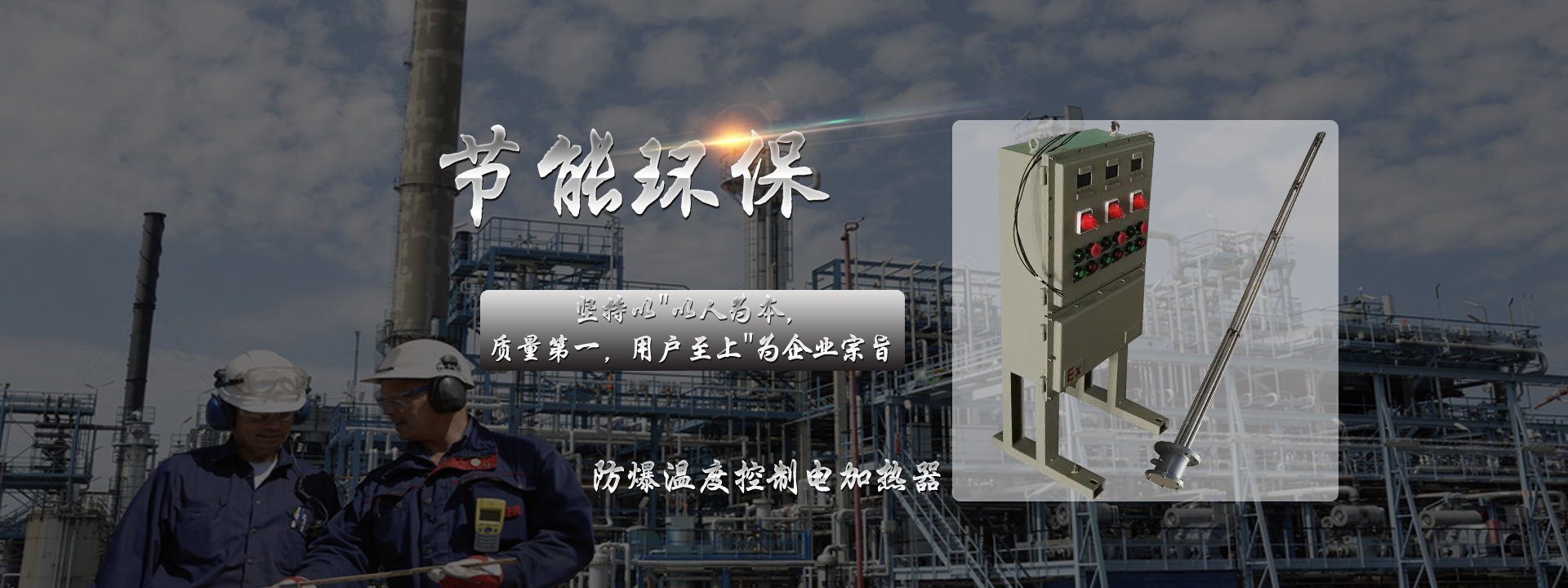
The following is an article about “Smart Heater Control Box: Precise Control and Efficient Management”, detailing the working principle, functional features, and applications in different fields:
Smart Heater Control Box: Precise Control and Efficient Management
Introduction
In many scenarios of modern industrial production and daily life, precise control of the heating process is key to ensuring system operational efficiency and safety. As an advanced temperature control solution, the smart heater control box not only achieves precise temperature control but also enhances overall system performance through intelligent management. This article will explore the working principle, main functions, and applications of the smart heater control box in various fields.
Working Principle of Smart Heater Control Box
A smart heater control box typically consists of the following key components:
Main control unit: Uses a microprocessor or PLC (Programmable Logic Controller) to receive and process signals from temperature sensors.
Temperature sensor: Installed near the heating object to monitor temperature changes in real time.
Heating element: Adjusts heating power according to control commands to reach the set temperature.
Human-Machine Interface (HMI): Provides a user-friendly interface for setting parameters, viewing status, and fault diagnosis.
Communication interface: Supports data exchange with external devices or central control systems.
The working principle of the smart heater control box is to collect temperature data from the heating object in real time via temperature sensors. The main control unit automatically adjusts the power output of the heating element based on the set target temperature and the current temperature difference to achieve precise control. Additionally, the smart control box can implement more complex temperature curve control and fault self-diagnosis functions through built-in algorithms and logic.
Main Functions and Technical Features
Precise temperature control: Achieves high-accuracy temperature control with minimal error range.
Automatic adjustment: Automatically adjusts heating power based on set temperature parameters without manual intervention.
Remote monitoring: Enables remote monitoring and management via network interfaces, facilitating centralized control and data collection.
Data recording and analysis: Built-in memory records temperature changes and system status for later analysis and optimization.
Fault diagnosis and alarm: Self-diagnosis function immediately alarms and records fault information upon detecting anomalies.
User-friendly interface: Provides a graphical interface for easy operation and maintenance.
Application Fields
Due to its efficiency, precision, and intelligence, the smart heater control box is widely used in multiple fields:
Industrial production: In chemical, pharmaceutical, food processing, and other industries, used to control heating processes in reactors, ovens, drying equipment, etc.
Laboratory equipment: In scientific research laboratories, used to precisely control experimental conditions to ensure accuracy of results.
Home appliances: In smart home systems, used to control temperatures of HVAC, water heaters, etc.
Agriculture: In greenhouse cultivation, used to control soil and air temperatures to promote crop growth.
Medical equipment: In medical devices, used to control temperatures of various treatment equipment to ensure patient safety.
Practical Cases
Chemical plant reactor temperature control: A chemical plant installed a smart heater control box in its reactor, significantly improving product quality and yield through precise reaction temperature control.
Smart home system: In a smart home system, the smart heater control box is integrated with the central control system, enabling remote control of the home heating system and improving living comfort.