
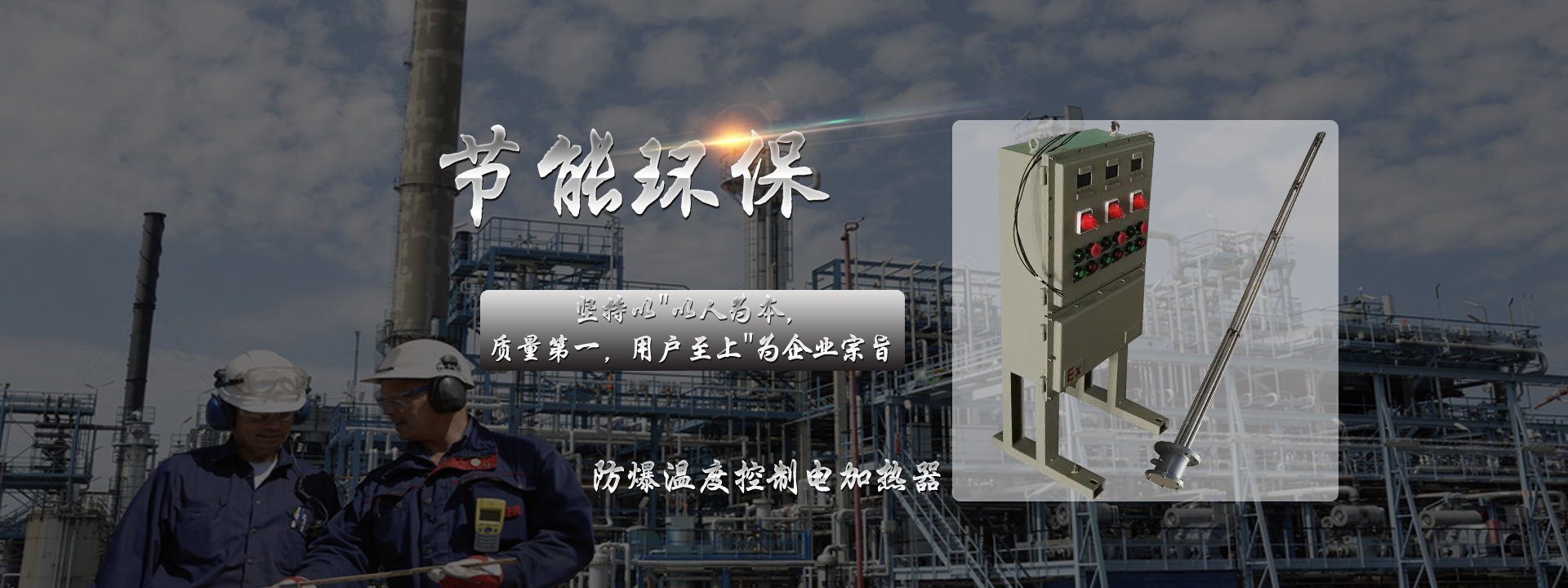
Thermal oil electric heater is a device that uses electrical energy to heat thermal oil to the required temperature, commonly used in industrial production where constant temperature control is needed. This heater primarily converts electrical energy into heat through electric heating elements, which is then transferred to the thermal oil, thereby achieving heating or insulation of materials in the production process. The following are some detailed information about thermal oil electric heaters:
Application Areas
Thermal oil electric heaters are widely used in plastics, rubber, petrochemical, chemical, pharmaceutical and other industries, especially in situations requiring uniform and controllable heating, such as heating and insulation of reactors, molds, pipelines, hot pressing plates, etc.
Working Principle
The working principle of thermal oil electric heaters is mainly to convert electrical energy into heat through electric heating elements (usually resistance wires or heating tubes), and then transfer the heat to the thermal oil through heat conduction. After being heated, the thermal oil flows through the system via a circulation pump, thereby uniformly transferring heat to the objects that need heating.
Main Features
High Efficiency and Energy Saving: Due to the large specific heat capacity of thermal oil, it can store more heat, resulting in higher efficiency during the heating process.
High Temperature Control Accuracy: Usually equipped with advanced temperature control systems, it can precisely control the temperature of the thermal oil, thus ensuring the stability of the process.
Safe and Reliable: Designed with various protective measures, such as overheat protection and overpressure protection, to ensure safe operation of the system.
Long Service Life: High-quality heating elements and reasonable structural design give the equipment a long service life.
Technical Specifications
Power Range: Depending on different application requirements, the power can range from several kilowatts to several hundred kilowatts.
Maximum Temperature: The maximum temperature that a thermal oil heater can achieve is generally around 300°C, and special designs can reach higher temperatures.
Heating Speed: Depends on factors such as heating power and thermal oil flow rate.
Usage Precautions
Correct Selection: When selecting a thermal oil electric heater, it is necessary to consider process requirements, heating medium characteristics, and other factors to choose the appropriate model.
Installation and Commissioning: Installation should be carried out by professionals, and commissioning should follow the manufacturer's guidance.
Daily Maintenance: Regularly check the working status of the heater, clean the heat exchanger surface in time, ensure the quality of thermal oil, and avoid blockage by impurities.
Safe Operation: Operate strictly according to the operating procedures to avoid accidents caused by misoperation.
In summary, thermal oil electric heaters, as an important industrial heating equipment, play an indispensable role in modern industrial production. Proper selection and use can not only improve production efficiency but also effectively ensure production safety.