
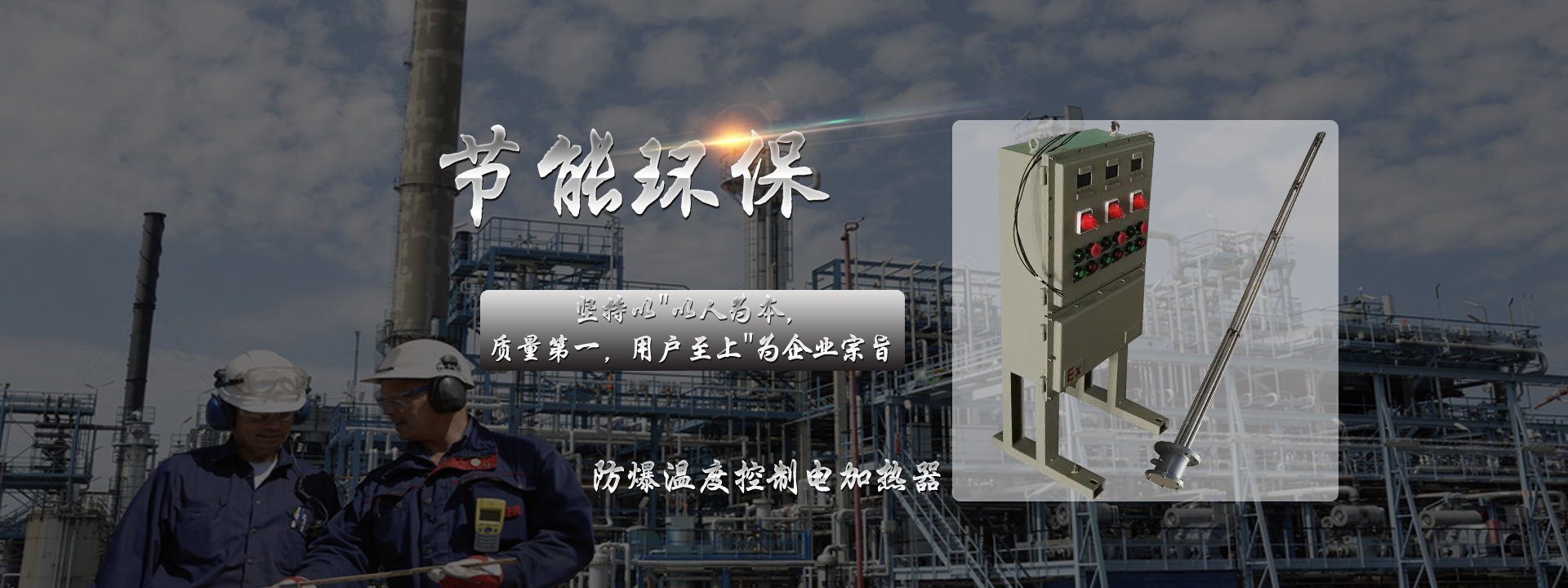
In modern industrial production and daily life, electric heating technology is widely used due to its high efficiency and environmental friendliness. As the core component of electric heating equipment, the electric heater heating tube plays an important role in converting electrical energy into thermal energy. This article will introduce in detail the working principle, structural characteristics, and application fields of the electric heater heating tube.
1. What is an electric heater heating tube?
An electric heater heating tube is a device that generates heat by passing an electric current through a resistive material. It is usually composed of a metal shell (sheath), a heating element (heating core), and insulating filler. Depending on the specific application scenario and technical requirements, the design and manufacture of heating tubes can vary greatly, but their basic function is to convert electrical energy into thermal energy and effectively transfer it to the target medium.
2. Working Principle
The operation of an electric heater heating tube is based on Joule's law, which states that when current passes through a conductor, heat is generated due to resistance. The specific process is as follows:
Current input: The current provided by an AC or DC power supply enters the heating element inside the heating tube.
Energy conversion: The heating element is usually made of materials with high resistivity, such as nickel-chromium alloy wire or iron-chromium-aluminum alloy wire. When current passes through these materials, a large amount of thermal energy is generated due to their resistance.
Heat transfer: The generated heat is transferred to the surrounding medium (such as air, water, or other liquids) through the shell of the heating tube, thereby achieving the heating purpose.
To improve efficiency and protect the heating element, the inside of the heating tube is often filled with insulating materials such as magnesium oxide powder, which ensures good thermal conductivity while avoiding the risk of short circuits.
3. Structural Characteristics
Heating element: Determines the maximum power output and service life of the heating tube. High-quality heating materials not only have high resistivity but also need to have good high-temperature resistance.
Sheath tube: Directly contacts the medium to be heated, so it is necessary to select a material suitable for specific environmental conditions. For example, stainless steel is suitable for most occasions, while copper is used for special occasions requiring high thermal conductivity.
Insulating filler: Commonly used is magnesium oxide powder, which not only provides good insulation but also effectively conducts heat, ensuring heating efficiency.
Terminals: Used to connect the power supply lines, designed with safety and durability in mind.
4. Main Types and Application Scenarios
Flanged heating tube:
Designed for installation in containers or pipelines, easy to disassemble and maintain. Suitable for chemical reactors, oil tank heating, and other fields.
Threaded heating tube:
Can be directly screwed into pre-drilled holes, easy to install, widely used in household appliances such as water heaters.
Finned heating tube:
Increases the heat dissipation area, especially suitable for air heating applications, such as auxiliary heating in air conditioning systems.
U-shaped/W-shaped heating tube:
Unique shape, suitable for heating needs in certain specific spatial layouts, such as mold heating.
5. Application Fields
Industrial heating:
Including chemical reactors, oil tank heating, mold heating, and other fields, meeting the temperature control requirements of different processes.
In plastic molding processes, used for mold heating to ensure product quality.
Household appliances:
Such as water heaters, ovens, microwave ovens, and other household appliances use electric heating tubes to provide the necessary heat source.
Aquarium heating rods are used to maintain constant water temperature, creating a suitable living environment for fish and other aquatic organisms.
Medical equipment:
For example, in medical devices such as sterilizers and incubators, electric heating tubes are used to maintain a stable temperature environment.
Laboratory instruments:
Used in laboratories for sample heating treatment or constant temperature control.
6. Selection Considerations
When selecting an electric heater heating tube, the following factors should be considered:
Scope of application:
Choose the appropriate heating tube model based on the type and scale of the medium to be heated.
Power and size:
Ensure that the power and size of the selected heating tube can meet the actual application requirements.
Ease of use and installation method:
Including user interface friendliness, portability, and other factors.
Additional features:
Such as whether it has automatic temperature control function, whether it can interconnect with other devices, etc.
7. Summary
The electric heater heating tube, with its high energy conversion efficiency, convenient operation, and wide applicability, has been widely used in many industries. Whether facing harsh industrial environments or household usage scenarios, choosing the appropriate electric heating tube is an important link to ensure the normal operation and extend the service life of the equipment. High-quality electric heater heating tubes provided by professional manufacturers such as Yangzhou Darui Electric Co., Ltd., based on the understanding of these basic principles and continuous technological innovation, have solved many practical problems for enterprises and individual users, improving production efficiency and quality of life. Whether in improving work efficiency or ensuring living comfort, the electric heater heating tube plays a crucial role. Choosing a high-quality heating tube means choosing quality and trust.