
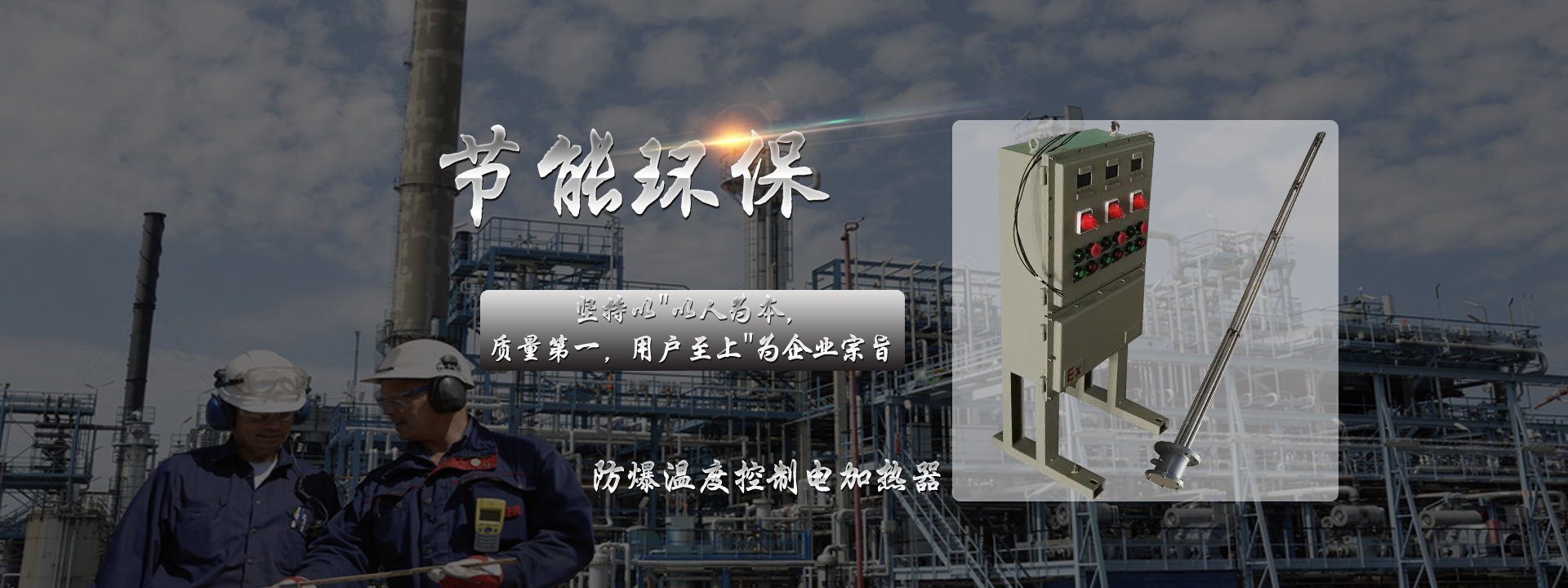
In many industrial applications and commercial environments, maintaining appropriate air temperature is crucial for ensuring smooth production processes and enhancing workplace comfort. As an efficient and reliable heating solution, duct air heaters are widely used in HVAC systems, industrial drying, product processing, and other fields. This article will detail the functional features and application scenarios of duct air heaters.
I. Introduction
With technological advancements and increasing energy efficiency requirements, selecting the right air heating equipment has become a focus for many enterprises. Duct air heaters convert electrical or other forms of energy into heat, distributing it evenly to the air flowing through the duct, providing an ideal heating solution for various needs. Their high energy conversion efficiency and flexible application make them an indispensable part of modern industrial and commercial facilities.
II. Main Functions of Duct Air Heaters
Efficient Heating: Using advanced heating elements such as resistance wires, ceramic heaters, or infrared heaters, they can quickly and efficiently heat the air to the desired temperature.
Precise Temperature Control: Equipped with intelligent temperature control systems, they can automatically adjust heating power according to actual needs, ensuring stable output air temperature.
Multiple Installation Methods: Support horizontal or vertical installation to adapt to different duct layouts and space constraints.
Safety Protection Mechanisms: Built-in overheat protection and other safety features, such as ground fault protection and over-temperature circuit breakers, ensure safety during use.
Energy-Saving Design: Optimized design structure and material selection help reduce energy loss and improve overall energy utilization efficiency.
Easy Maintenance: Modular design facilitates cleaning and replacement of components, reducing downtime and improving maintainability.
III. Application Scenarios
Industrial Heating: Used in plastic molding, food processing, printing, textiles, and other industries for raw material preheating, product drying, or process heating.
HVAC Systems: In large commercial buildings or public facilities, duct air heaters are often combined with central air conditioning systems to provide comfortable indoor temperature conditions.
Agricultural Greenhouses: Help maintain ideal growing environments in greenhouses, promoting healthy crop growth.
Laboratories and Medical Facilities: Ensure constant temperature conditions in laboratories to meet requirements for precision instruments and biological sample storage; in hospitals, they are also used for air purification and heating in critical areas such as operating rooms.
IV. Conclusion
With their excellent performance and wide range of applications, duct air heaters play an important role in modern industrial production and daily life. They not only improve work efficiency but also enhance people's quality of life. Facing stricter environmental standards and higher energy efficiency requirements in the future, duct air heaters will continue to develop towards intelligence, energy saving, and environmental protection. Whether for industrial enterprises or commercial users, it is essential to select the appropriate type of duct air heater based on their needs to achieve the best return on investment and social benefits. Through reasonable configuration and use of duct air heaters, costs can be effectively reduced while contributing to sustainable development goals.