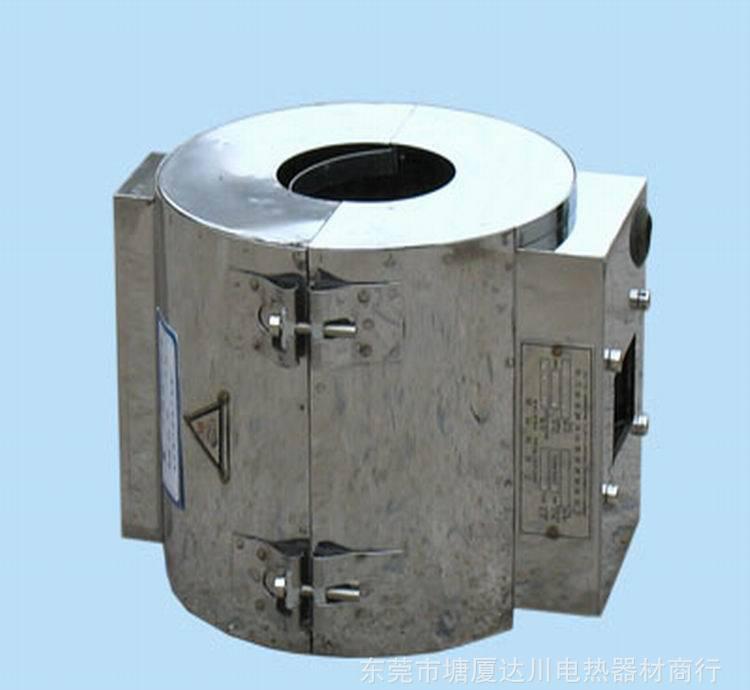
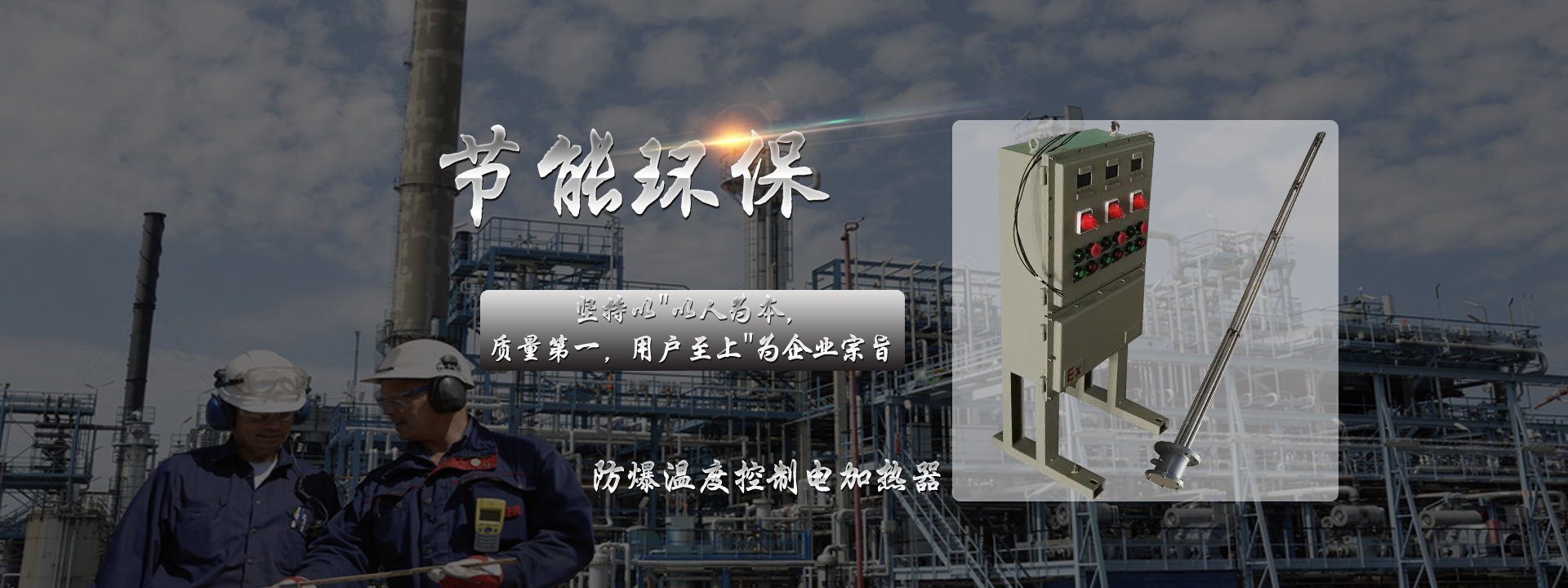
A reactor is a comprehensive reaction vessel, designed with structural functions and accessories based on reaction conditions. From feeding to reaction to discharging, it can complete preset reaction steps with a high degree of automation, strictly controlling key parameters such as temperature, pressure, mechanical control (stirring, aeration, etc.), and reactant/product concentration during the reaction process.
Reactors are widely used in petroleum, chemical, rubber, pesticide, dye, pharmaceutical, and food industries as pressure vessels to complete processes such as vulcanization, nitration, hydrogenation, hydrocarbonation, polymerization, and condensation. Examples include reactors, reaction kettles, decomposition kettles, and polymerization kettles. Common materials include carbon manganese steel, stainless steel, zirconium, nickel-based alloys (Hastelloy, Monel, Inconel), and other composite materials.
Installation and Use:
1. It should be installed on a sturdy, level workbench. The height of the workbench depends on the usage conditions. Leave sufficient space around the equipment and workbench (≥360 cm) for installation and future maintenance.
2. During installation, the drive shaft must be perpendicular to the horizontal ground. The non-perpendicularity (inclination) shall not exceed 1/1000 of the total equipment height.
3. The self-provided parts on each process connection, such as safety valves, must be equipped according to the reactor requirements.
4. After installation, check that all connecting parts and transmission components are secure and reliable. Perform an airtightness test on all connecting pipes, nozzles, seals, and the entire machine. There should be no bubbling, leakage, dripping, or seepage.
5. Before starting, inject 46# mechanical oil into the reducer. Open the motor protective cover and manually rotate the fan blade to check for any jamming. Check if the stirring paddle scrapes the wall. Clean any debris inside the reactor before starting. Run the machine empty for 30 minutes. If there is no abnormal noise or vibration, formal production can begin. Replace the reducer oil periodically based on production conditions.
1. Strictly operate according to the working pressure and temperature specified on the product nameplate to avoid danger.
2. Strictly follow the product manual regarding cooling, oil injection, and other regulations. Perform proper equipment maintenance and care.
3. When using valves, slowly turn the valve stem (needle) to press the sealing surface and achieve a seal. Do not use excessive force when closing to avoid damaging the sealing surface.
4. Electrical control instruments should be operated by designated personnel, and overload protection devices should be installed as required.
For reactor maintenance, regularly check the entire machine and reducer operation. Replenish reducer lubricant immediately if insufficient. Replace the electric heating medium oil every six months. Regularly inspect safety valves, pressure gauges, thermometers, distillation ports, electric heating rods, and electrical instruments on the jacket and cover. Replace or repair any faulty parts immediately. When not in use, thoroughly clean the inner and outer walls of the container with warm water. Frequently scrub the kettle body to keep the exterior clean and the inner lining bright, ensuring durability.
This article is provided byCast Aluminum Heater manufacturer - Shanghai Baishi Electric Technology Co., Ltd.!