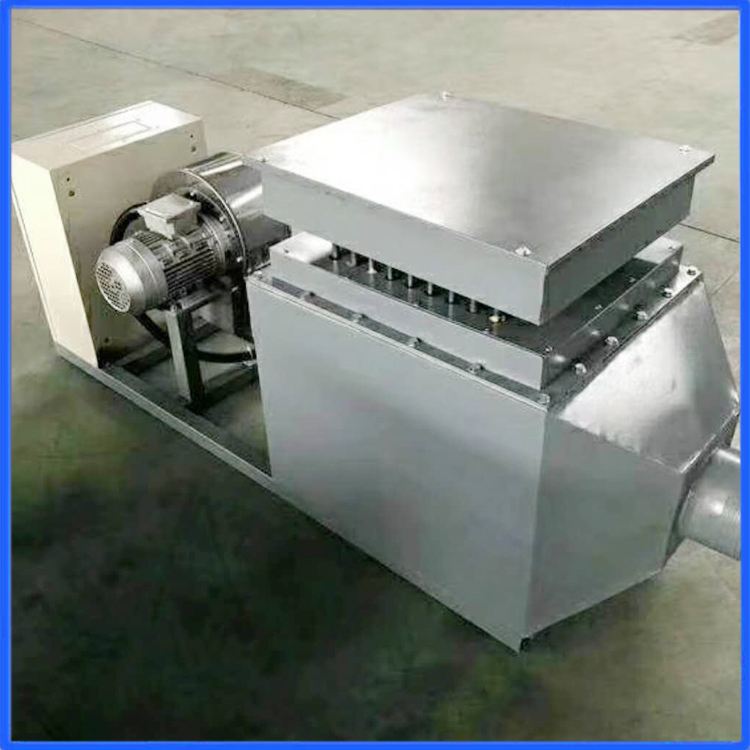
Duct electric heater induction heating uses the thermal effect of induced current (eddy current) generated when a conductor is in an alternating electromagnetic field to heat the conductor itself. According to different heating process requirements, the AC power frequency used in induction heating for crawler electric heaters includes power frequency (50-60 Hz), intermediate frequency, and high frequency (above 10000 Hz).
Power frequency power supply is the AC power commonly used in industry. The power frequency in most countries worldwide is 50 Hz. The voltage applied to the induction device from the power frequency power supply used for induction heating must be adjustable. Depending on the power of the heating equipment and the capacity of the power supply grid, a high-voltage power supply (6-10 kV) can be used through a transformer, or the heating equipment can be directly connected to a 380 V low-voltage grid.
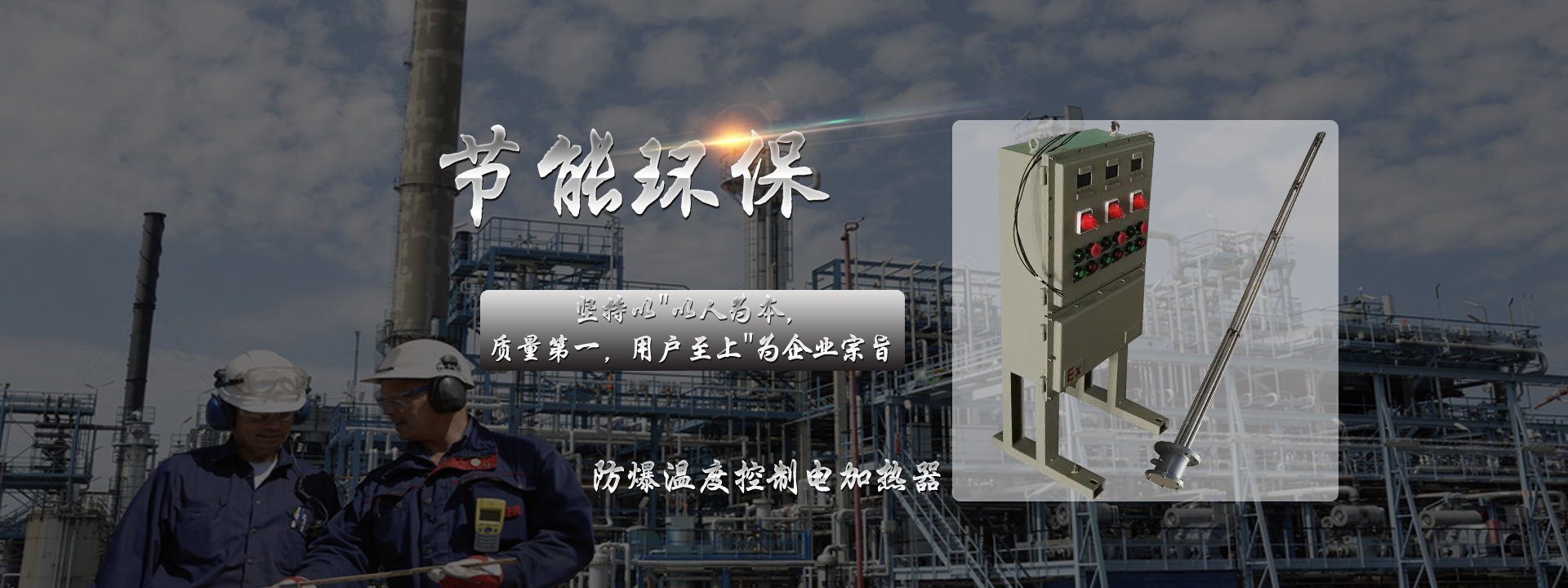
During the electric heating production operation, we sometimes find that the equipment in operation may produce an odor after a period of use. The main reason is that scale forms inside the explosion-proof electric heater after a period of use. When heated at high temperatures, the scale produces a certain odor. Moreover, the scale not only reduces the heating performance of the electric heater but also may cause unnecessary harm to the human body after long-term use. Therefore, cleaning the explosion-proof electric heater becomes extremely important. However, the water tank of the electric heater is large, and the cleaning port has limited access. Therefore, if the inner tank of the explosion-proof electric heater is made of enamel material, the magnesium rod needs to be replaced frequently, typically every one to two years. The explosion-proof electric heater is a structure widely used in industrial applications, often for heating chemical substances, and also in places requiring explosion-proof measures. The working principle of the explosion-proof electric heater mainly uses energy conversion to achieve heating.
(1) Ensure that the explosion-proof electric heater and the explosion-proof junction box are reliably grounded.
(2) If there is no medium flowing in the explosion-proof electric heater, it cannot be operated, otherwise the heater will be burned out.
(3) If the explosion-proof electric heater is to be stopped for a long time, all circuits should be disconnected and the power supply should be cut off.
(4) If parameters need to be changed, it must be done by professional technical personnel; others are not allowed to change them without authorization.
(5) After the explosion-proof electric heater stops working, it should be cooled down for three to five minutes to ensure normal use next time.