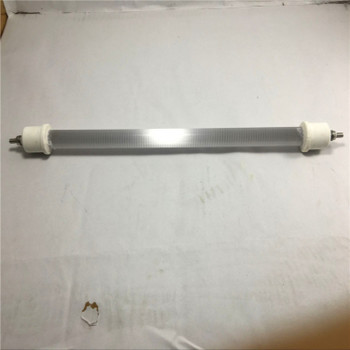
Quartz electric heating tube is an electric heating element that converts electrical energy into thermal energy. It can be used alone or as a heating element in various electric heating devices.
Quartz electric heating tube Due to the particularity of its material and structure, some matters need to be paid attention to during installation and storage. What are the specific matters? Please see below!
Installation precautions for quartz electric heating tubes:
* When in use, the heating tube should generally be kept basically horizontal. If possible, place the ceramic heads at both ends of the heating tube in a low-temperature area to extend the service life of the heating tube.
* The heating tube should not be rigidly fixed at both ends to avoid breakage due to improper mechanical external force.
* The ceramic seats at both ends of the heating tube and the support of the equipment should be as free as possible, and the axial and peripheral clearance should be no less than 1-3mm; if elastic clamping is used, ensure sufficient thermal expansion space between the tube body and the rigid body.
* For heating tubes with a gold-plated reflective layer, avoid scratching the reflective layer with hard objects during installation and use.
* When installing the power lead wires of the heating tube, please put on high-temperature resistant insulating ceramic sleeves or fiberglass tubes to avoid possible electric shock hazards.
* Since the starting current of the heating tube in cold state is relatively large (short duration), please pay attention to this characteristic when selecting temperature control equipment.
Storage precautions for quartz electric heating tubes:
1. The storage location of the quartz electric heating tube must be kept dry and have appropriate insulation resistance. If the insulation resistance of the storage environment is found to be too low during use, it can be restored by applying low voltage power before use. The heating tube should be properly fixed before use, and the wiring part should be placed outside the insulation layer, avoiding contact with corrosive, explosive media and water.
2. The heating tube should be properly positioned and fixed, and the effective heating area must be completely immersed in liquid or solid metal. Dry burning is strictly prohibited. If scale or carbon deposits are found on the tube surface, they should be cleaned promptly before reuse to avoid affecting heat dissipation and shortening service life.
3. Components should be stored in a dry place. If the insulation resistance drops below 1MΩ due to long-term storage, it can be dried in an oven at about 200°C or heated by reducing voltage until the insulation resistance is restored.
4. The wiring part should be placed outside the insulation layer to avoid contact with corrosive, explosive media and moisture. The lead wires should be able to withstand the temperature of the wiring part and the heating load for a long time. When tightening the wiring screws, avoid excessive force.
5. The magnesium oxide powder at the outlet end of the heating tube should be protected from pollutants and moisture infiltration at the use site to prevent leakage accidents.