Now many heaters have energy-saving features, and air heaters are no exception. However, few people know the specific design aspects that make air heaters energy-efficient. Now, the editor will analyze the energy-saving design of air heaters from three aspects.
1. Reasonably design the air volume and temperature rise. The power of the air heater is calculated based on the air volume and temperature rise. Under the premise that the air volume and temperature rise meet the requirements, it is not advisable to use excessively large air volume or temperature rise, as this will directly lead to excessive power consumption and increased energy consumption. Excessive air volume and temperature rise are unnecessary. Comprehensive consideration and reasonable design should be adopted to determine appropriate parameters.
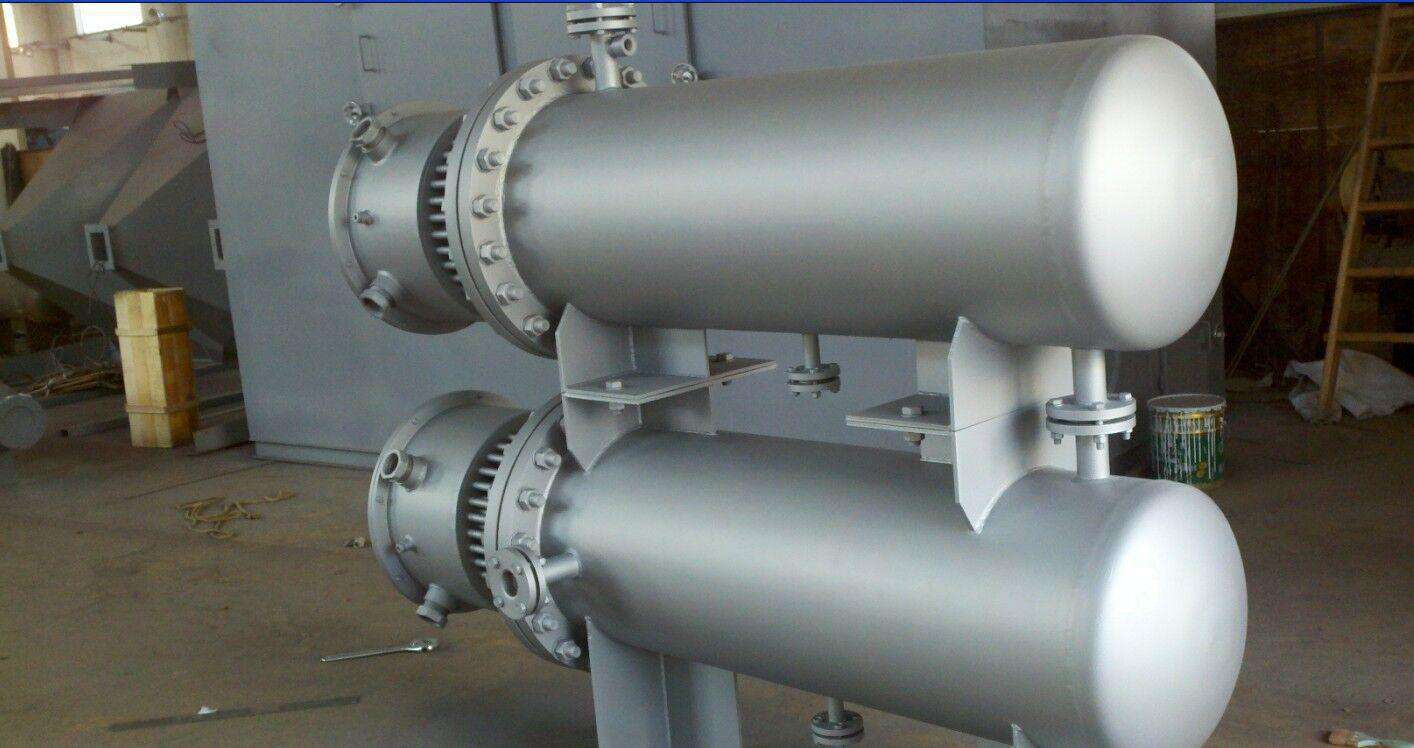
2. An insulation layer should be added to the surface of the air heater. Insulation is only applied to the outlet pipe of the electric heater, while the surface of the electric heater itself is not insulated. Comparative data show that adding an insulation layer to the surface of the electric heater can reduce energy consumption by 5% to 10%. Over long-term operation, the energy savings are considerable. Power plants (owners) should add insulation to the air heater while insulating the pipes.
3. Reduce the pressure loss of the air heater itself. The air to be heated generates pressure loss when flowing through the interior of the air heater. The greater the pressure loss, the higher the energy consumption of the fan. Improvements and innovations should be made to the structure of the air heater itself to minimize the pressure loss.