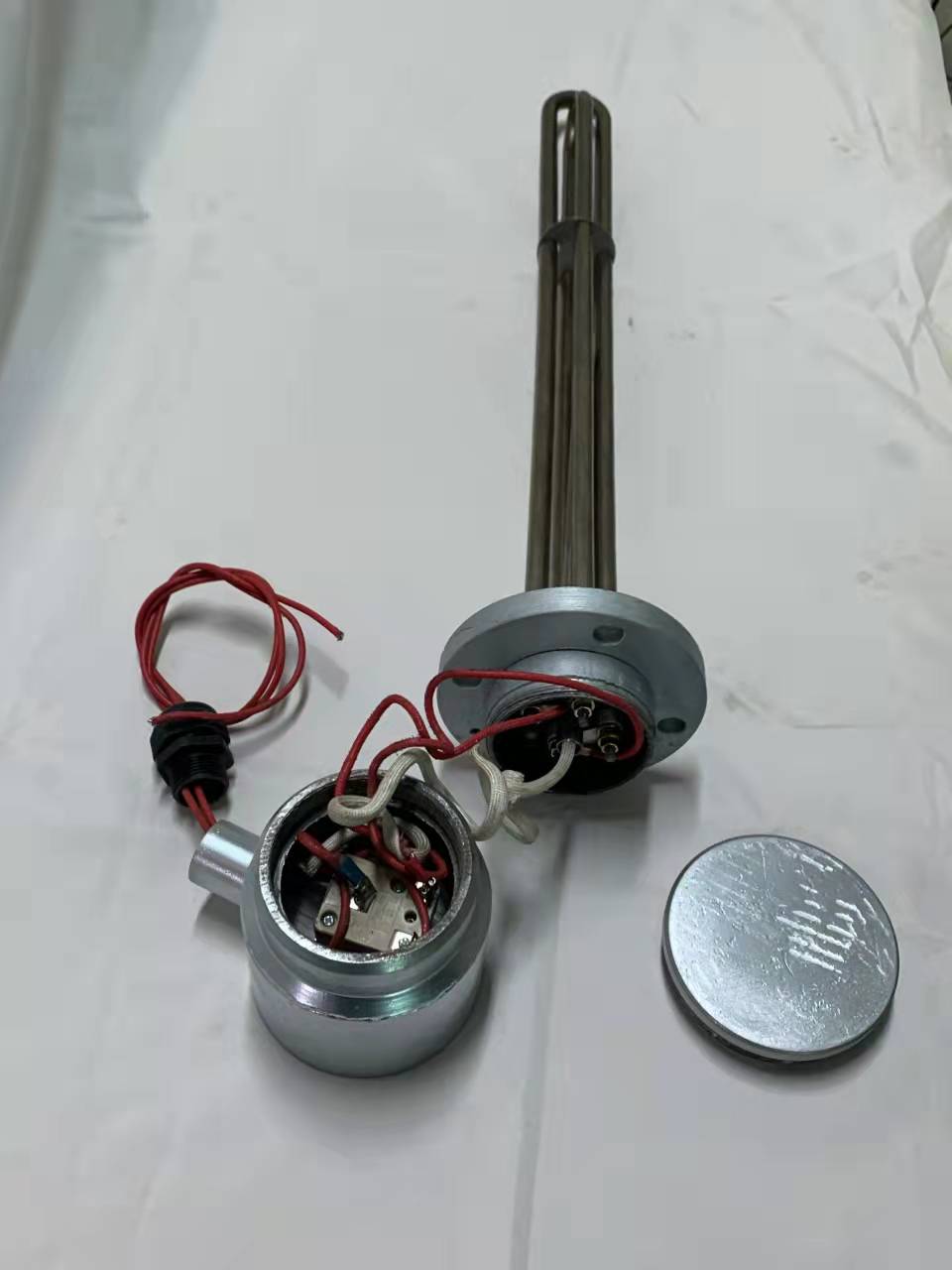
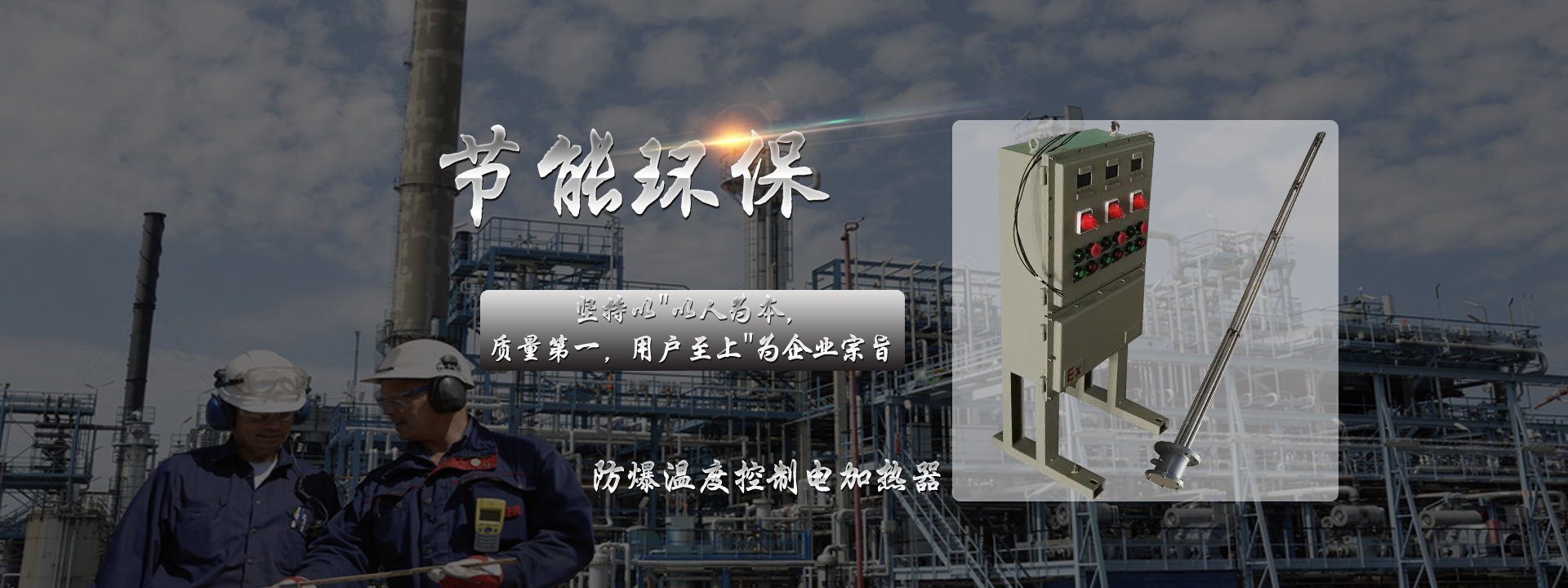
A far infrared heater is a device that uses far infrared radiation to heat objects. This heating method has been widely used in many fields due to its high efficiency, energy saving, and environmental friendliness. Below is an article summary about the functions of far infrared heaters.
Far Infrared Heater: Principles, Applications, and Advantages
Introduction
A far infrared heater is an advanced heating technology that uses far infrared radiation to heat objects. Compared with traditional heating methods, far infrared heaters have the characteristics of fast heating speed, high thermal efficiency, and easy operation, so they are widely used in many fields such as industrial production and home heating.
Working Principle
The working principle of a far infrared heater is based on the principle of thermal radiation. When the heat source (such as an electric heating wire) in the heater is heated to a certain temperature, it emits far infrared rays. These far infrared rays irradiate the object to be heated. After the object absorbs the far infrared rays, the molecules and atoms inside it begin to vibrate, generating thermal energy, thereby achieving the heating effect.
Main Components
Heat source: usually an electric heating wire or other forms of heating elements.
Radiation coating: a rare element sintered material covering the heat source, used to change the frequency range of thermal radiation and improve thermal efficiency.
Heat dissipation device: used to protect the heater from overheating and also help maintain a stable heating temperature.
Control system: includes functions such as temperature adjustment and timing to ensure the heating process is controllable.
Functional Features
High efficiency and energy saving: far infrared heaters have high thermal efficiency, can quickly heat objects, and save energy.
Uniform heating: can heat the inside and outside of the object simultaneously, avoiding local overheating and ensuring heating quality.
Safe and reliable: adopts a closed design to prevent electric shock risks and has overheat protection function.
No noise: far infrared heaters operate almost silently, providing a quiet environment for users.
Environmentally friendly and pollution-free: no harmful gases or smoke are generated during the heating process, making it environmentally friendly.
Application Fields
Industrial production: used in paint curing, plastic molding, metal welding, etc.
Agriculture: greenhouse heating, seed germination, etc.
Healthcare: physiotherapy equipment, massage devices, etc.
Home heating: household heaters, bathroom heaters, etc.
Usage Precautions
Correct installation: ensure the heater is installed firmly and away from flammable materials.
Regular inspection: check the heater's wiring and connections to avoid safety hazards.
Avoid prolonged no-load operation: prolonged no-load operation may cause the heater to overheat.
Set temperature reasonably: set the heating temperature according to usage needs to avoid excessive heating.
Conclusion
Far infrared heaters, with their high efficiency, energy saving, and safety features, have broad application prospects in various fields. With continuous technological advancement, the functions of far infrared heaters will be further optimized, becoming more efficient and intelligent heating solutions.