
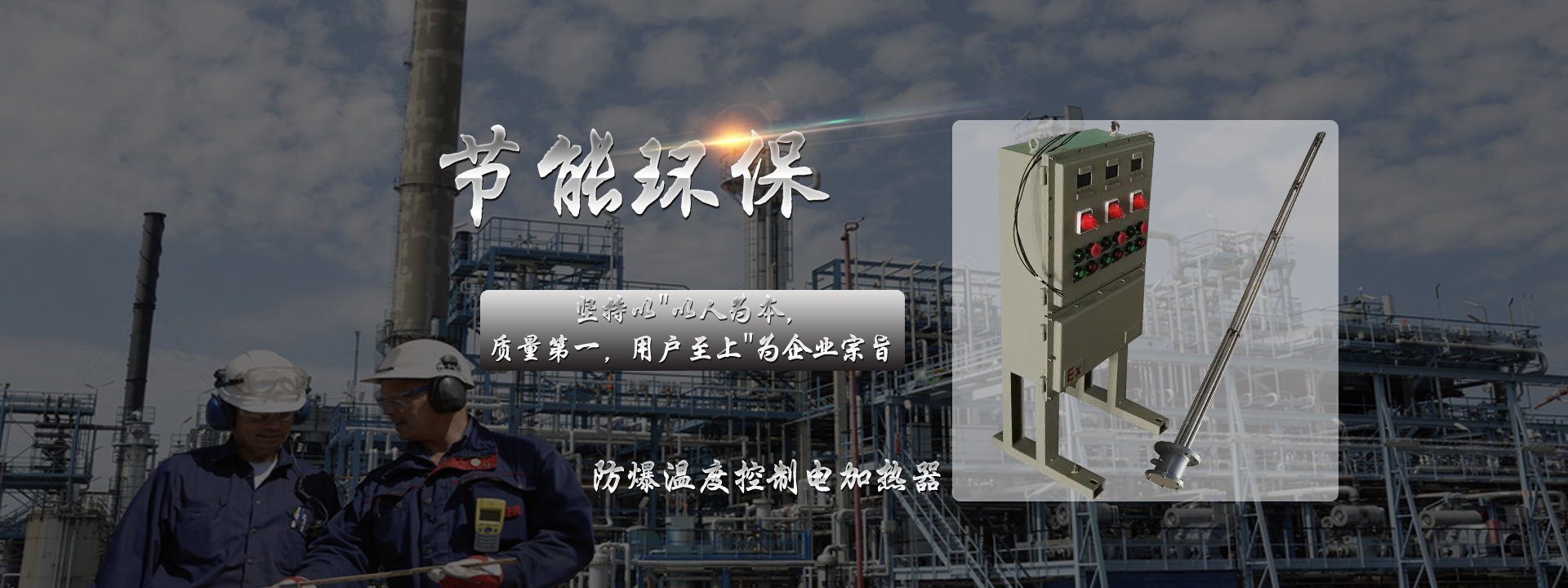
It has a wide range of applications in the chemical industry. The following are some key information about the hydrochloric acid strong acid heater:
Main Uses
Chemical industry: used to heat hydrochloric acid to promote chemical reactions or maintain the temperature conditions required for the reaction.
Pickling industry: used in metal surface treatment to heat hydrochloric acid to remove oxide scale and rust.
Electroplating industry: used in the pretreatment process before electroplating, heating hydrochloric acid to improve efficiency.
Pharmaceutical manufacturing: heating hydrochloric acid in the drug production process.
Anodizing: heating hydrochloric acid in aluminum surface treatment.
Structure and Materials
Corrosion-resistant materials: usually made of polytetrafluoroethylene (PTFE), fluoroplastics and other materials, which have good chemical corrosion resistance and temperature resistance.
Heat exchanger type: can be plastic king heat exchanger or F4 heat exchanger, etc., these heat exchangers have good corrosion resistance and anti-aging properties.
Heating Methods
Steam heating: suitable for cases where steam is used as the heat source.
Hot water heating: suitable for cases where hot water is used as the heat source.
Technical Features
Corrosion resistance: can withstand long-term use in strong acid environments without being corroded.
Efficient heat transfer: has good thermal conductivity, can quickly heat hydrochloric acid.
Temperature resistance: can work in a wide temperature range.
Aging resistance: has good anti-aging properties and long service life.
Common Types
Fluoroplastic heater: uses fluoroplastic as the heat exchange material, suitable for heating strong acids such as hydrochloric acid.
Graphite heater: utilizes the good thermal conductivity and corrosion resistance of graphite, suitable for heating strong acids.
Microwave heater: uses non-contact microwave heating technology, completely avoiding possible problems in the process of heating strong acids.
Teflon heating tube: a heating tube resistant to strong acids such as nitric acid and hydrochloric acid, suitable for special applications.
Application Cases
Chemical production: heating hydrochloric acid in hydrochloric acid preparation and other chemical processes.
Metal processing: heating hydrochloric acid on steel pickling lines to remove the oxide layer on the metal surface.
Pharmaceutical production: heating hydrochloric acid in drug synthesis to promote chemical reactions.
Selection and Usage Suggestions
Selection: choose the appropriate heater type and specification according to the actual working conditions.
Installation: install the heater correctly to ensure its stable operation.
Maintenance: regularly check the condition of the heater, clean and replace wearing parts when necessary.
Safe operation: follow the operating procedures to ensure safe use.
Market Overview
Suppliers: there are multiple suppliers in the market providing different types of hydrochloric acid heaters, such as plastic king heat exchangers or F4 heat exchangers.
Price: the price varies according to the model, specification and customization requirements.
Development trend: with technological progress, hydrochloric acid heaters are developing towards more efficient, environmentally friendly and intelligent directions.
Conclusion
Hydrochloric acid strong acid heater plays an important role in many industries such as chemical, pickling, electroplating, etc. due to its excellent corrosion resistance and efficient heat transfer performance. Choosing the appropriate type of heater and following the correct usage and maintenance guidelines are crucial to ensure the long-term stable operation of the equipment. If you need more detailed information or have specific application needs, please feel free to let me know.