
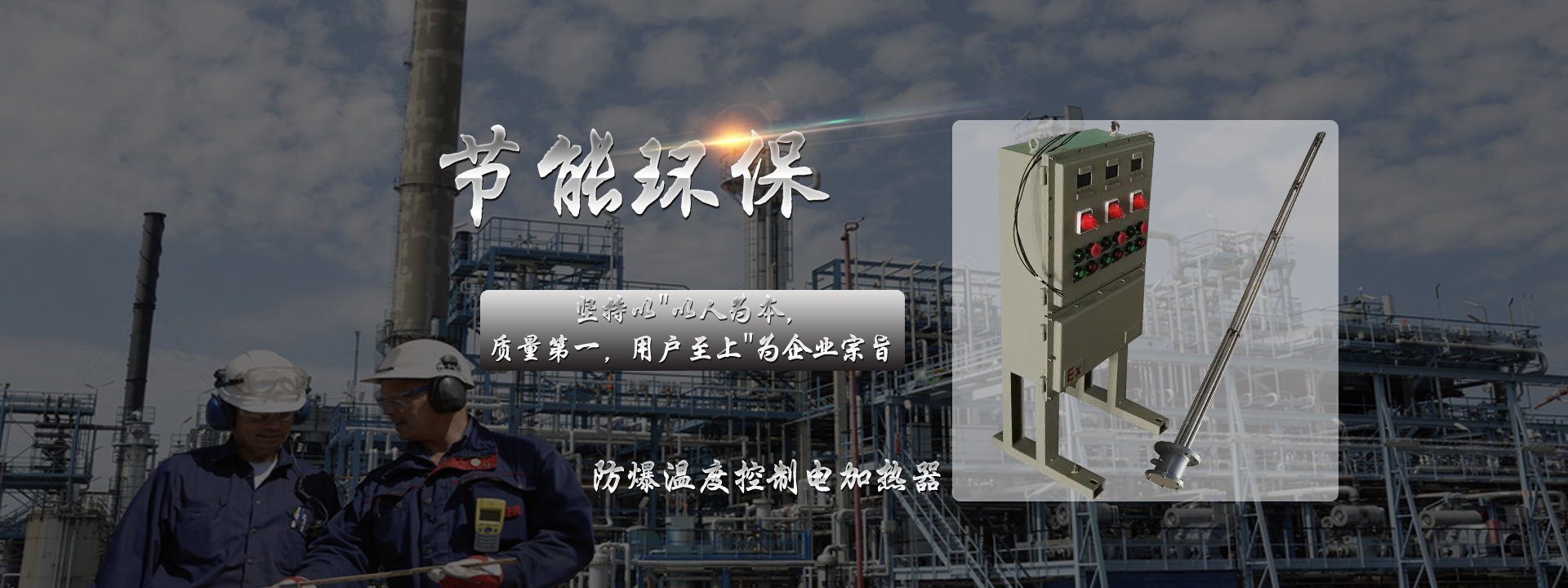
Heater Control Box: Improving Efficiency of Industrial Heating Systems
The following is an article about "Heater Control Box: Improving Efficiency of Industrial Heating Systems", detailing the working principle, functional features, and its application and advantages in industrial heating systems:
Heater Control Box: Improving Efficiency of Industrial Heating Systems
Introduction
In industrial production processes, heating systems are a critical part of many process flows. However, traditional heating control methods often suffer from high energy consumption and unstable temperature control. As an advanced solution, the heater control box can significantly improve the efficiency of heating systems, reduce costs, and ensure process stability and product quality. This article will explore the working principle, functional features, and application advantages of the heater control box in industrial heating systems.
Working Principle of Heater Control Box
The heater control box is an intelligent device that integrates temperature sensing, control logic, heating element management, and human-machine interface. Its main components include:
- Temperature Sensor: Used for real-time monitoring of the temperature of the heated object.
- Controller: Typically uses a microprocessor or programmable logic controller (PLC) to process sensor signals and execute control logic.
- Heating Element: Adjusts heating power according to the controller's instructions.
- Human-Machine Interface (HMI): Provides an operation interface, allowing users to set temperature parameters, view system status, and perform fault diagnosis.
- Communication Interface: Supports data exchange with external systems or central control rooms.
The working principle of the heater control box is to collect temperature data of the heated object in real time through temperature sensors and send this data to the controller. Based on the deviation between the preset temperature setpoint and the actual temperature, the controller adjusts the power output of the heating element using PID (Proportional-Integral-Derivative) control algorithm or other advanced control strategies, thereby precisely controlling the heating process to achieve the desired temperature.
Functional Features
- Precise Temperature Control: Achieves high-precision temperature control, ensuring stability and consistency of the heating process.
- Automatic Adjustment: Automatically adjusts heating power based on set temperature parameters, reducing human intervention.
- Remote Monitoring: Enables remote monitoring and management via network interface, facilitating centralized control and data collection.
- Data Recording and Analysis: Built-in memory records temperature changes and system status for later analysis and optimization.
- Fault Diagnosis and Alarm: Self-diagnosis function; immediately alarms and records fault information upon detecting abnormalities.
- User-Friendly Interface: Provides graphical operation interface, easy to operate and maintain.
Ways to Improve Efficiency
The heater control box significantly improves the efficiency of industrial heating systems through the following aspects:
- Energy Saving and Consumption Reduction: Avoids unnecessary heating through precise temperature control, reducing energy waste.
- Improving Product Quality: Stable temperature control helps ensure consistency of product quality.
- Extending Equipment Life: Reduces impact of temperature fluctuations on heating elements, prolonging equipment lifespan.
- Reducing Downtime: Automated temperature control and fault diagnosis reduce maintenance downtime.
- Enhancing Safety: Real-time monitoring and fault alarm improve system safety.
Application Cases
- Chemical Production: In chemical production, the heater control box is used to control the heating process of reactors, ensuring stable reaction conditions, improving reaction efficiency and product purity.
- Food Processing: In food processing, the heater control box is used to control the temperature of baking ovens or drying equipment, ensuring uniform temperature during food processing.
- Plastic Molding: In plastic molding, the heater control box is used to control the heating temperature of molds, ensuring the quality of plastic products.
- Pharmaceutical Industry: In the pharmaceutical industry, the heater control box is used to control the temperature of sterilization equipment, ensuring sterile conditions during drug production.
Usage Precautions
- Correct Selection: Choose the appropriate control box type and specification based on specific application requirements.
- Professional Installation: Installation and commissioning should be carried out by professionals to ensure safe and stable operation of the system.
- Regular Maintenance: Regularly check the working status of the control box, clean dust, and ensure normal operation of sensors and heating elements.
- Compliance with Standards: Strictly follow relevant electrical safety codes and standards during installation and use.
Future Trends
With the development of the Internet of Things (IoT), big data, and artificial intelligence (AI) technologies, future heater control boxes will become more intelligent. For example, remote monitoring and management through IoT technology, optimization of heating processes using big data analysis, and fault prediction and health management with AI technology.
Conclusion
The heater control box plays an important role in industrial heating systems through its precise temperature control and efficient management system. It not only improves the efficiency of heating systems but also reduces energy consumption, improves product quality, and ensures system safety and stability. With continuous technological advancement, the heater control box will play a greater role in the industrial heating field, providing users with more reliable and efficient solutions.
References
- List relevant references, standards, and specifications cited in this article to ensure the accuracy and reliability of the information.