
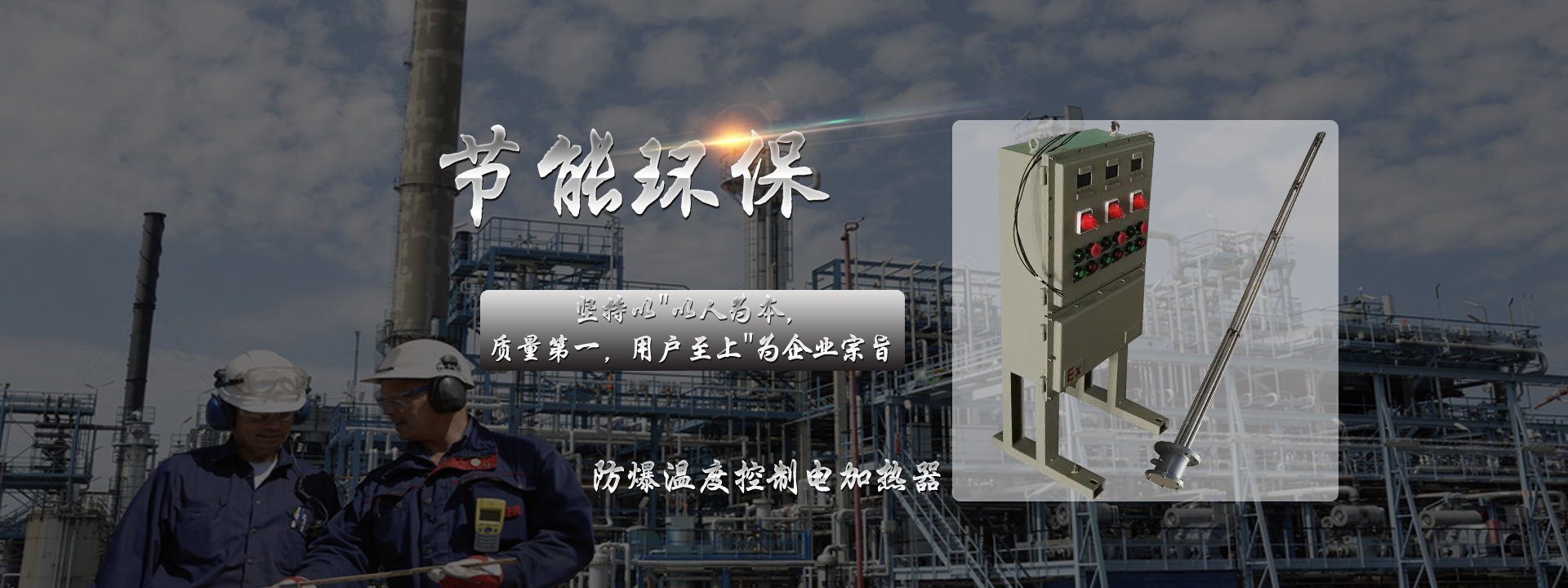
Daily Maintenance of Electric Heater
1. After the heater has been running for a period of time (depending on user usage), unscrew the ignition plug to clean carbon deposits. If the ignition plug wire is burned out, remove and replace it with a new one.
2. If carbon deposits are excessive, causing reduced thermal efficiency, clean the radiator fins on the inner wall of the water jacket and the carbon deposits inside the combustion chamber.
3. If the air intake pipe, exhaust pipe, and oil drip pipe of the heater main unit are blocked by mud, clean and clear them promptly. Keep the heater compartment clean, and do not place flammable items nearby.
4. Ensure the fuel tank, fuel lines, and fuel filter solenoid valve are clean to prevent dirt from clogging the fuel circuit.
5. Use antifreeze suitable for the ambient temperature as the circulating heating medium in the heater circulation system.
6. Regularly inspect the heater water pump according to user usage. If the water seal component leaks or the pump is difficult to start, perform timely repairs.
7. The automatic control box, fuel filter solenoid valve, and other electrical components on the heater main unit should be maintained according to general low-voltage electrical maintenance methods. All performance parameters of the automatic control box have been carefully adjusted by the manufacturer before shipment; users should not alter them arbitrarily.
8. Ensure the thermal control components are in good condition. Regularly inspect them; if the micro switch malfunctions or is damaged, replace it promptly.
9. The main motor used in the heater normally does not require maintenance for 5000 hours. If it malfunctions due to prolonged use or other reasons, inspect it, check carbon brush wear or bearing lubrication, and add lubricating grease or replace carbon brushes if necessary.
10. During warm seasons when the heater is not in use, start it 4-5 times periodically, each time running for about 5 minutes, to ensure normal operation when used next time.
0 million tons, sulfur dioxide 180,000 tons, nitrogen oxides 240,000 tons, soot 30,000 tons.