
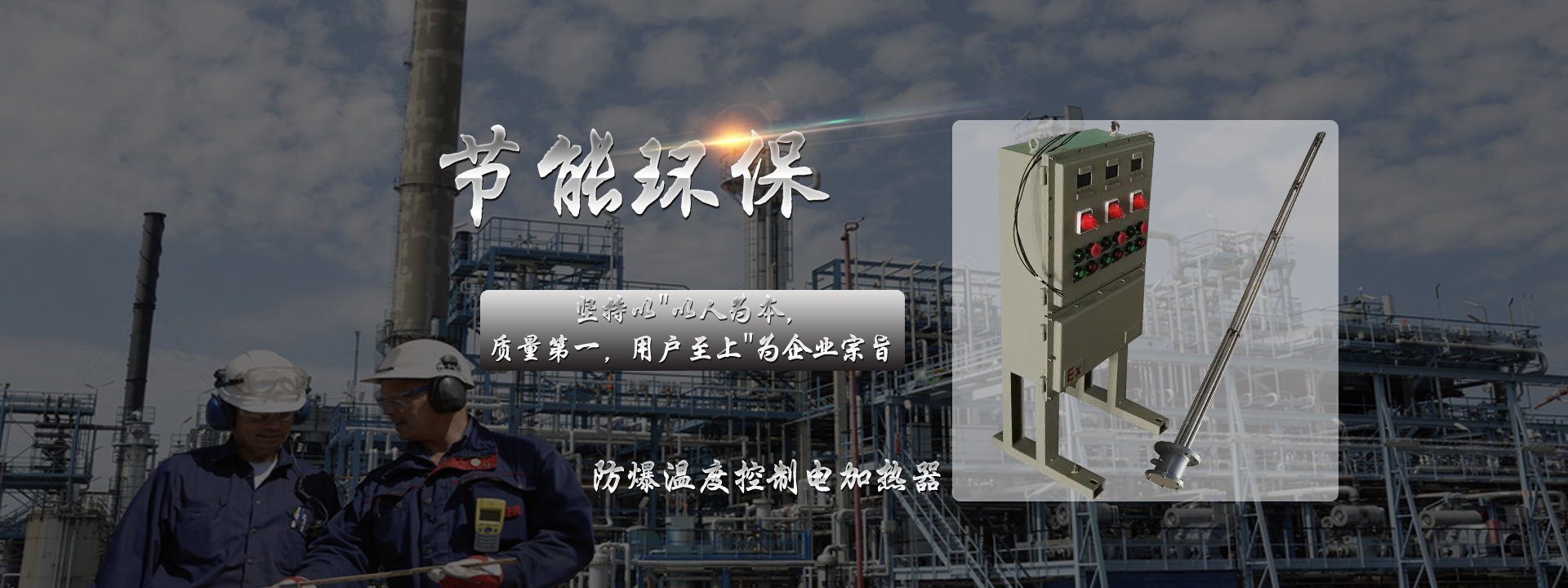
Anti-corrosion nitric acid heater is a heater specially designed for heating nitric acid solutions, capable of stable operation in high-temperature and highly corrosive environments. This article will discuss the basic structure, working principle, application scenarios, and precautions for use of anti-corrosion nitric acid heaters.
Basic Structure
An anti-corrosion nitric acid heater mainly consists of the following parts:
Heating element: Usually made of corrosion-resistant materials such as Incoloy 800HT, Teflon (polytetrafluoroethylene) coating, or other special alloy materials.
Shell: Made of corrosion-resistant materials such as high-silicon cast iron, Teflon-coated stainless steel, etc., to ensure long-term stable operation of the heater in a nitric acid environment.
Temperature control system: Includes temperature sensors, controllers, and actuators, used for precise temperature control during the heating process.
Connecting pipelines: Used to connect the inlet and outlet pipelines of the heating medium, as well as the feed and discharge pipelines of nitric acid.
Working Principle
There are two main working principles for anti-corrosion nitric acid heaters:
Indirect heating: By isolating the heating medium (usually steam or hot water) from nitric acid, heat is transferred to the nitric acid through a heat exchanger, achieving the purpose of heating. This method effectively avoids direct contact between the heating medium and nitric acid, reducing the risk of corrosion.
Direct heating: In some special cases, the heating element can be directly immersed in nitric acid for heating, but this requires the heating element to have extremely high corrosion resistance.
Application Areas
Due to their excellent corrosion resistance and temperature resistance, anti-corrosion nitric acid heaters are widely used in many fields:
Nitric acid production: Used for heating during the nitric acid concentration process.
Metal surface treatment: In metal pickling processes, nitric acid heaters are used to improve pickling efficiency.
Chemical synthesis: In organic synthesis, inorganic synthesis, and other chemical production processes, nitric acid heaters are used to control reaction conditions.
Wastewater treatment: Used to adjust treatment conditions when treating wastewater containing nitric acid.
Precautions for Use
Safety first: All safety regulations and operating guidelines should be followed when installing and using anti-corrosion nitric acid heaters.
Correct selection: Choose the appropriate heater model based on the properties of the heating medium and environmental conditions.
Regular maintenance: Regularly check the sealing and corrosion resistance of the heater to ensure it is in good working condition.
Avoid dry heating: Do not operate the heater for a long time without the heating medium to avoid damaging the heating element.
Conclusion
Anti-corrosion nitric acid heaters play an important role in chemical production due to their unique structural design and efficient heating performance. With technological development, future anti-corrosion nitric acid heaters will be further improved in terms of durability, energy efficiency, and safety to better meet market demands.