
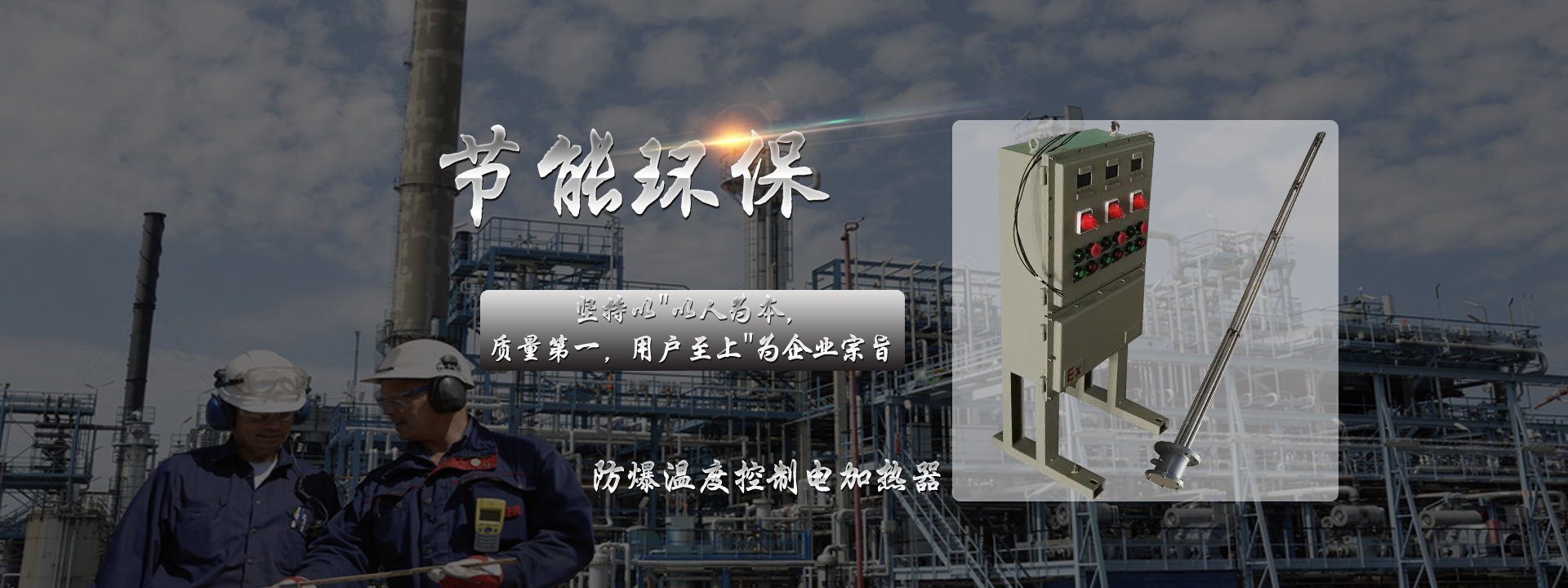
It seems your request may be incomplete, but based on the information provided earlier, we can discuss the "Explosion-Proof Cast Aluminum Heater." However, according to the existing information, we do not have detailed content directly about the "Explosion-Proof Cast Aluminum Heater." But we can combine the available information to construct an outline for an article about such heaters.
Explosion-Proof Cast Aluminum Heater: Principles, Applications, and Maintenance
Introduction
An explosion-proof cast aluminum heater is a heating element specifically designed for use in potentially explosive environments. This type of heater is typically made of corrosion-resistant, high-strength cast aluminum material, capable of withstanding harsh environmental conditions and operating safely in places where flammable or explosive gases are present. This article will explore the basic principles, construction, application areas, and maintenance methods of explosion-proof cast aluminum heaters.
Working Principle
Explosion-proof cast aluminum heaters operate based on the principle of resistance heating and generally include the following components:
Heating Element: Made of corrosion-resistant alloy wire, capable of stable heating in acidic and alkaline environments.
Metal Tube: The heating wire is encapsulated in a corrosion-resistant cast aluminum tube. The cast aluminum material not only provides good mechanical strength but also has excellent thermal conductivity.
Filling Material: The cast aluminum tube is filled with materials that have good thermal conductivity and insulation properties, such as magnesium oxide powder, ensuring good heat transfer between the heating wire and the tube wall without short circuits.
When current passes through the heating wire, electrical energy is converted into heat due to resistance. This heat is transferred through the cast aluminum tube wall to the external medium, such as acid or alkali solutions, thereby achieving the purpose of heating.
Construction
The main components of an explosion-proof cast aluminum heater include:
Heating Element: Corrosion-resistant alloy wire.
Insulation Layer: Magnesium oxide powder, etc.
Shell: Corrosion-resistant cast aluminum tube.
End Caps: Usually made of stainless steel or plastic, used for sealing.
Features
Explosion-Proof Performance: Designed to meet explosion-proof standards, capable of safe operation in potentially explosive environments.
Corrosion Resistance: Cast aluminum material can resist chemical corrosion, suitable for industries such as chemical and pharmaceutical.
High Strength: Cast aluminum material provides good mechanical strength, able to withstand significant physical stress.
Efficient Heat Transfer: Cast aluminum has good thermal conductivity, resulting in high heating efficiency.
Application Areas
Chemical Industry: Used for heating reactors, storage tanks, pipelines, etc.
Pharmaceutical Industry: Used for heating during drug preparation processes.
Food Processing: Used for heating in food processing equipment.
Laboratories: Used for heating needs in experiments.
Maintenance Methods
Regular Inspection: Regularly check the heater for damage or signs of corrosion.
Cleaning and Maintenance: Regularly clean the heater surface according to usage conditions to remove possible deposits.
Insulation Check: Regularly check the insulation performance of the heater to ensure normal operation.
Replace Worn Parts: Once any worn or damaged parts are found, replace them promptly.
Conclusion
Explosion-proof cast aluminum heaters play an important role in various harsh environments due to their excellent corrosion resistance and explosion-proof performance. Proper use and regular maintenance can extend their service life and ensure the safety and efficiency of the production process.