
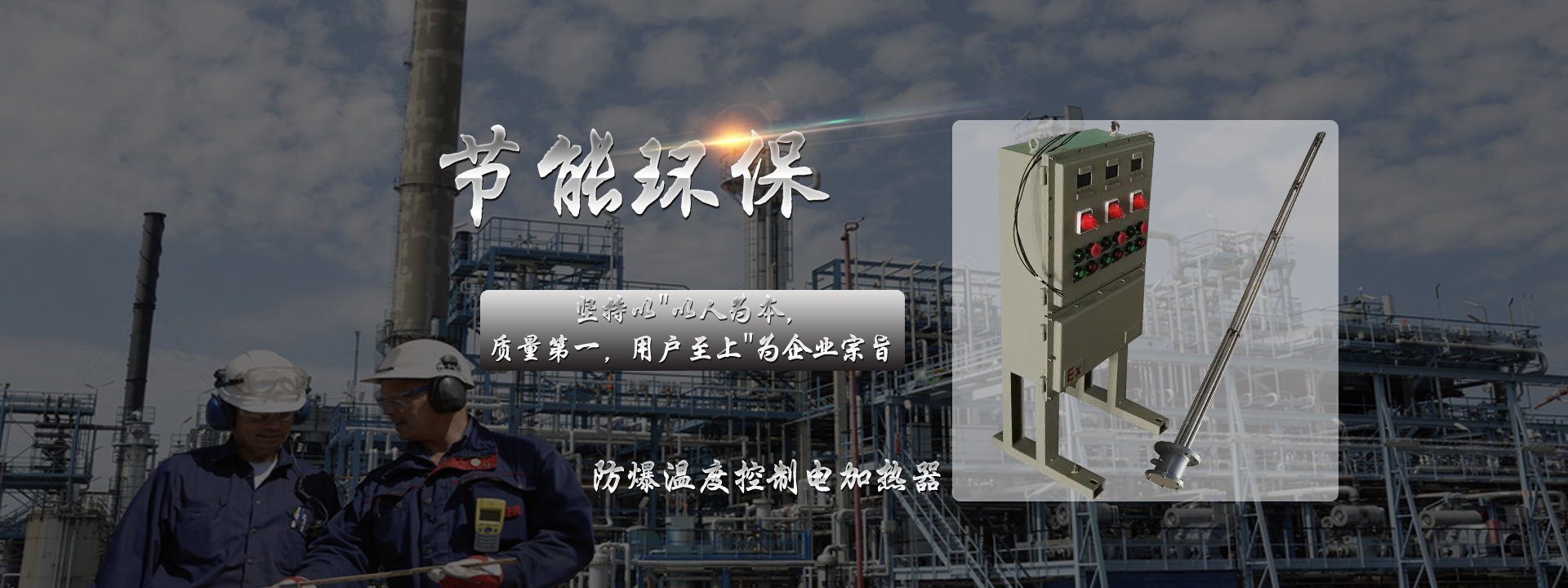
Widely used in industrial, commercial and household fields. It converts electrical energy into thermal energy to heat air, liquids or solid materials. Sheathed electric heaters are widely used due to their high efficiency, reliability and ease of installation. This article will detail the working principle, structural characteristics, application areas and usage precautions of sheathed electric heaters.
Working Principle
The basic working principle of a sheathed electric heater is to use a resistance wire (heating element) to convert electrical energy into thermal energy. When current passes through the resistance wire, according to Joule's Law, the resistance wire generates heat. This heat is transferred to the heated medium through the metal sheath, thereby achieving the heating purpose. The main steps are as follows:
Electrical energy input: Provide electrical energy to the electric heater through the power supply.
Resistance heating: Current passes through the resistance wire to generate heat.
Heat transfer: Heat is transferred to the heated medium through the metal sheath.
Temperature control: Monitor and adjust the heating temperature through the temperature control system to ensure the stability and safety of the heating process.
Structural Characteristics
Resistance wire: As the heating element, it is usually made of high-temperature resistant materials such as nickel-chromium alloy (NiCr) or iron-chromium-aluminum alloy (FeCrAl).
Insulation material: Fill the space between the resistance wire and the metal sheath with insulation material (such as magnesium oxide powder) to prevent short circuits and improve heat conduction efficiency.
Metal sheath: Usually made of stainless steel or other corrosion-resistant materials, with good mechanical strength and corrosion resistance, protecting the internal resistance wire from external environmental influences.
Terminal block: Used to connect the power supply, a reasonable design can improve the safety and convenience of use.
Sealed end caps: There are sealed end caps at both ends to ensure that the internal insulation material does not leak and to prevent external impurities from entering.
Sheath: A notable feature of the sheathed electric heater is its outer sheath, which not only provides additional protection but also increases the durability and safety of the equipment.
Application Areas
Industrial Field
Chemical industry: Used for heating and insulation of reactors, storage tanks, pipelines and other equipment.
Petroleum industry: Used for heat tracing of crude oil pipelines to prevent oil solidification.
Pharmaceutical industry: Used for temperature control during drug production and storage.
Food processing: Used for heating in processes such as food drying, sterilization, and cooking.
Plastic processing: Used for heating in plastic extrusion, injection molding and other equipment.
Commercial Field
Catering industry: Used in cooking equipment such as ovens, roasters, and electric woks.
Beauty and hairdressing: Used in beauty tools such as electric curling irons and electric straighteners.
Hotels and inns: Used in living facilities such as electric water heaters and electric blankets.
Household Field
Heating: Used in heating equipment such as electric blankets and electric heating pads.
Hot water supply: Used in electric water heaters to provide household hot water.
Cooking: Used in kitchen appliances such as electric ovens and rice cookers.
Advantages
High efficiency and energy saving: Directly converts electrical energy into thermal energy, with high conversion efficiency and low energy consumption.
Precise temperature control: Through an intelligent temperature control system, precise control of the heating temperature can be achieved, ensuring the stability of the process.
Safe and reliable: Multiple safety protection devices ensure safe operation of the equipment under various working conditions.
Easy maintenance: Compact structure, reasonable design, easy to install and maintain.
Wide application range: Suitable for various working environments and heating needs, with strong flexibility.
Good protection performance: The sheath provides additional protection, increasing the durability and safety of the equipment.
Usage Precautions
Regular inspection: Regularly check the condition of the resistance wire, insulation material and metal sheath to ensure the equipment is in good condition.
Temperature monitoring: Monitor the heating temperature in real time to avoid overheating or low temperature affecting equipment performance.
Operation training: Operators should receive professional training and be familiar with the operation methods and safety precautions of the equipment.
Comply with safety regulations: Strictly follow relevant safety operation procedures during use to ensure the safety of personnel and equipment.
Cleaning and maintenance: Regularly clean the equipment, especially the metal sheath and terminal block, to maintain good operating condition.
Correct installation: Ensure the electric heater is correctly installed to avoid safety hazards caused by improper installation.
Conclusion
Sheathed electric heaters play an important role in many industries due to their high efficiency, energy saving, safety and reliability. Correct selection and use of sheathed electric heaters can not only improve production efficiency but also effectively reduce energy consumption, contributing to the sustainable development of enterprises. At the same time, household users can also enjoy a more comfortable living environment through the rational use of sheathed electric heaters. I hope this article is helpful for you to understand and use sheathed electric heaters.