
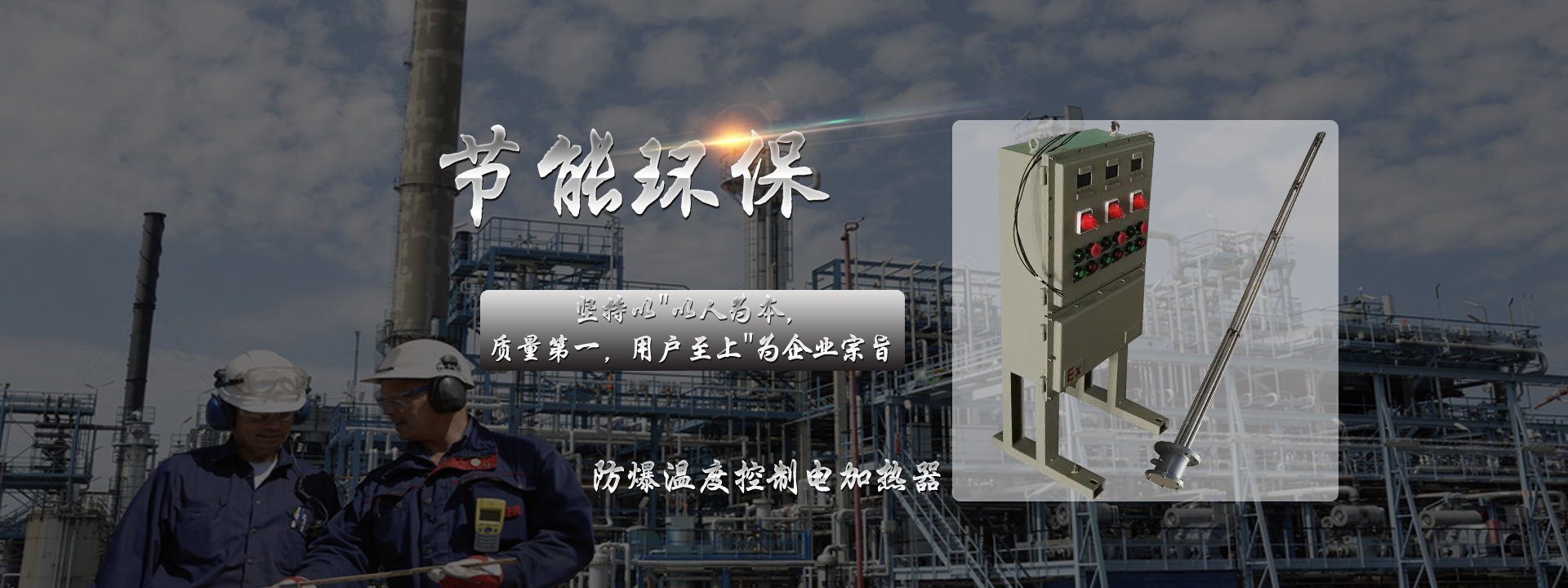
It is responsible for converting electrical energy into thermal energy, thereby heating a medium (such as water, oil, or other fluids) or the environment. Below is an overview of an article about electric heater heating tubes, covering their construction, working principle, types, material selection, and applications and maintenance.
Overview of Electric Heater Heating Tubes
Construction
Basic composition: Consists of resistance wire (heating element), insulating filler (usually magnesium oxide powder), and metal sheath (such as stainless steel or copper).
Additional components: May also include terminal seals, connection terminals, temperature sensors, and other auxiliary parts.
Working Principle
When current passes through the resistance wire, heat is generated according to Joule's law. This heat is conducted through the metal sheath to the outside and ultimately transferred to the object to be heated.
The insulating filler not only provides electrical isolation but also helps distribute heat evenly, improving thermal efficiency.
Types of Heating Tubes
Straight rod type: The most common form, suitable for various applications.
U-shaped bent tube: Designed for specific spatial layout requirements.
Spiral type: Increases surface area, helping to improve heat exchange efficiency.
Finned type: Equipped with heat sinks on the outer surface to enhance heat exchange during air flow.
Material Selection
Resistance wire: Common materials include nickel-chromium alloy, iron-chromium-aluminum alloy, etc., with good high-temperature resistance and stable resistivity.
Sheath material: Requires good thermal conductivity and corrosion resistance; common options include stainless steel, copper, titanium, etc.
Insulating material: Magnesium oxide is one of the most commonly used insulating materials due to its excellent insulation properties and high thermal conductivity.
Application Areas
Industrial heating: Such as plastic molding machines, chemical reactors, food processing equipment, etc.
Household appliances: Water heaters, air conditioning systems, ovens, etc.
Laboratory equipment: Distillation apparatus, constant temperature baths, and other precision instruments.
Agriculture and horticulture: Greenhouse heating, soil warming, etc.
Maintenance and Safety
Regularly inspect heating tubes for damage or signs of wear.
Clean dust and deposits from the surface of heating tubes to maintain good heat transfer conditions.
Follow the installation guidelines provided by the manufacturer to ensure correct power connection and appropriate voltage settings.
For applications in flammable or explosive environments, use explosion-proof heating tubes and take appropriate safety measures.
Conclusion
Electric heater heating tubes are an indispensable part of many industries. Their efficient and reliable characteristics make them an ideal heating solution. With technological advancements, future heating tubes will focus more on energy saving, environmental protection, and intelligent control. Proper selection and maintenance not only ensure the normal operation of the heating system but also extend service life and reduce operating costs.
This article provides a comprehensive perspective on understanding the working mechanism and importance of electric heater heating tubes. If you would like more details or have other related questions, feel free to ask!