
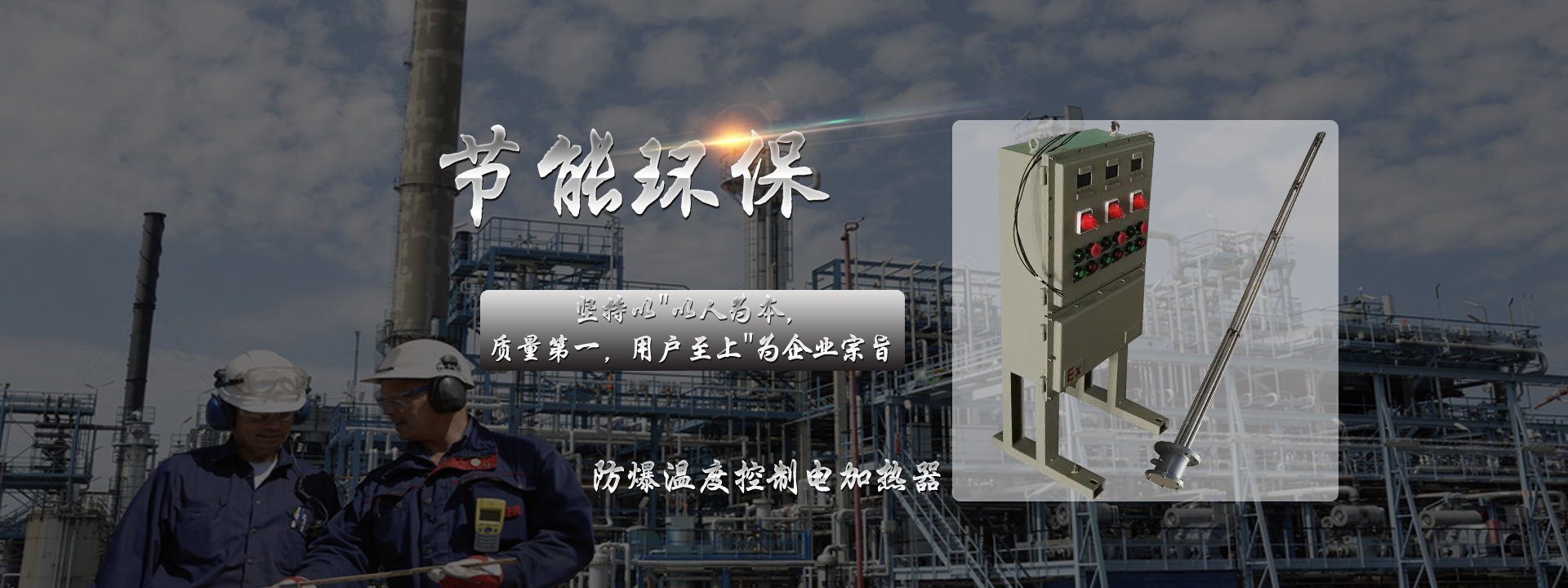
Thermal oil electric heater is a device specifically designed to heat thermal oil to the required temperature using electrical energy. It is widely used in various industrial processes that require stable and precise temperature control, such as chemical, petroleum, food processing, pharmaceutical, and textile industries. Compared with traditional steam heating systems, thermal oil electric heaters offer higher energy efficiency, smaller footprint, and better temperature control accuracy.
Main Features
High Efficiency and Energy Saving: Using high-quality electric heating elements, it can quickly heat up and maintain the set temperature, reducing energy waste.
Precise Temperature Control: Equipped with advanced temperature control system, it can achieve temperature control accuracy of ±1°C or even higher, meeting different process requirements.
Easy Operation: High degree of automation, supports manual/automatic mode switching, user-friendly touch screen interface, easy to operate and monitor.
High Safety: Equipped with multiple protection mechanisms, such as over-temperature protection, leakage protection, etc., ensuring safe and reliable operation.
Wide Application Range: Suitable for thermal oils of various viscosities, can work stably within a wide operating temperature range (usually from room temperature to 350°C).
Working Principle
The core of the thermal oil electric heater lies in its electric heating components. When current passes through the resistance wire, heat is generated, which is then absorbed by the thermal oil. The heated thermal oil circulates under the action of the pump, thereby transferring heat to the medium or equipment that needs heating. The entire system usually includes the following main parts:
Electric Heater: Directly provides heat source.
Circulation Pump: Ensures continuous circulation of thermal oil within the system.
Expansion Tank: Compensates for volume changes caused by temperature variations.
Heat Exchanger: If indirect heating of other media is required, it can be achieved through a heat exchanger.
Control System: Monitors and adjusts the operating status of the system, including parameters such as temperature and pressure.
Application Fields
Chemical Industry: Heating of reactors, distillation towers, evaporators, etc.
Petrochemical Industry: Preheating treatment of crude oil and its products to improve separation efficiency.
Food Processing: Processes such as oil deodorization and sugar melting in candy manufacturing.
Pharmaceutical Industry: Heating requirements in drug synthesis, extraction, and refining processes.
Textile Printing and Dyeing: Heating of fabric setting machines, dryers, etc.
Development Trends
With technological advancements, thermal oil electric heaters are moving towards more intelligent, energy-saving, and environmentally friendly directions. For example, some new models integrate IoT functions, allowing remote monitoring and management of equipment operation; others adopt more efficient insulation materials and technologies to reduce heat loss and further improve energy efficiency. In addition, to adapt to different application scenarios and customer needs, manufacturers are constantly exploring the possibility of customized solutions.
In summary, thermal oil electric heaters play an important role in many industries due to their unique advantages, and continue to develop with technological innovation, providing users with more economical, environmentally friendly, and convenient heating options.