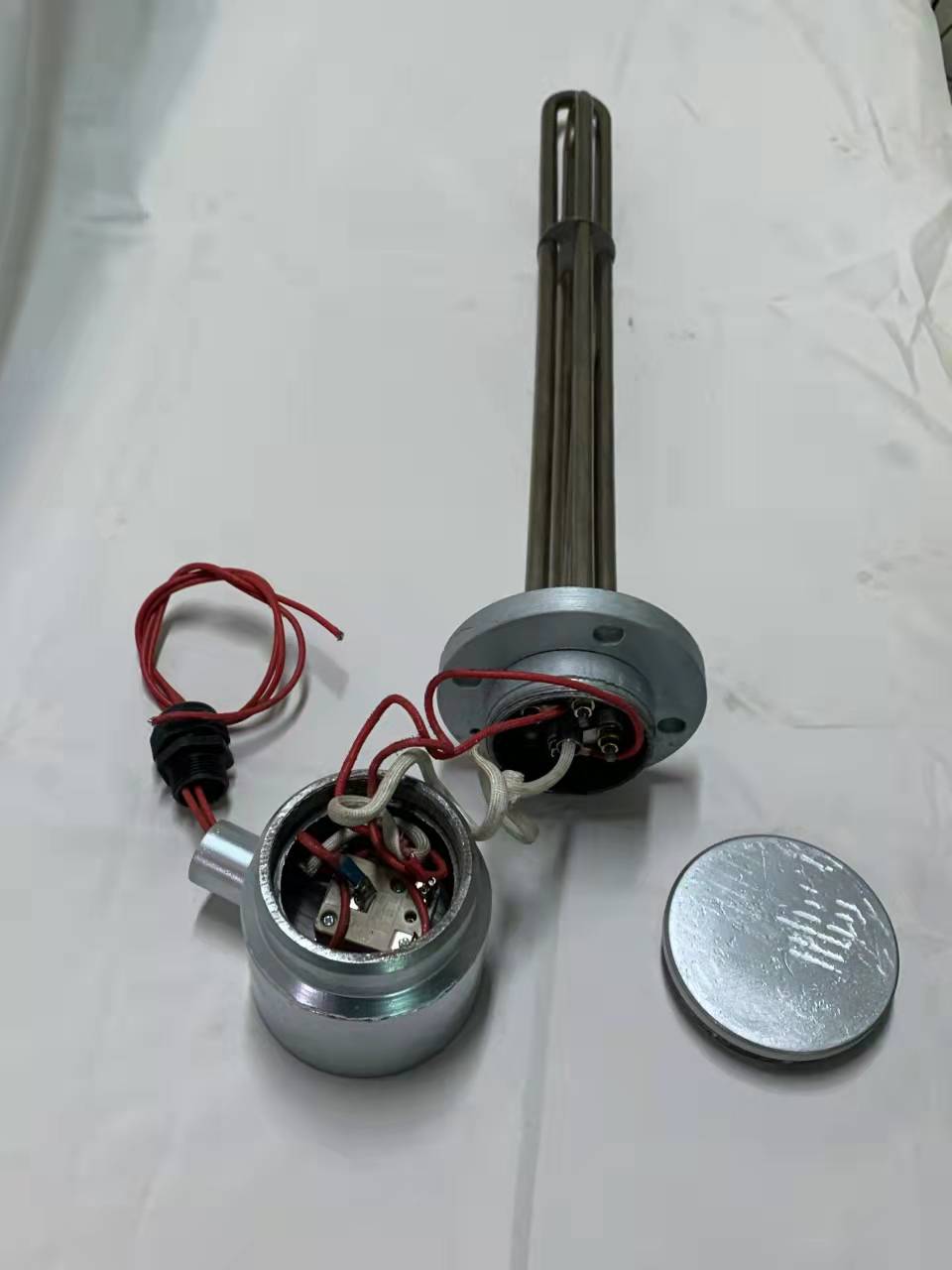
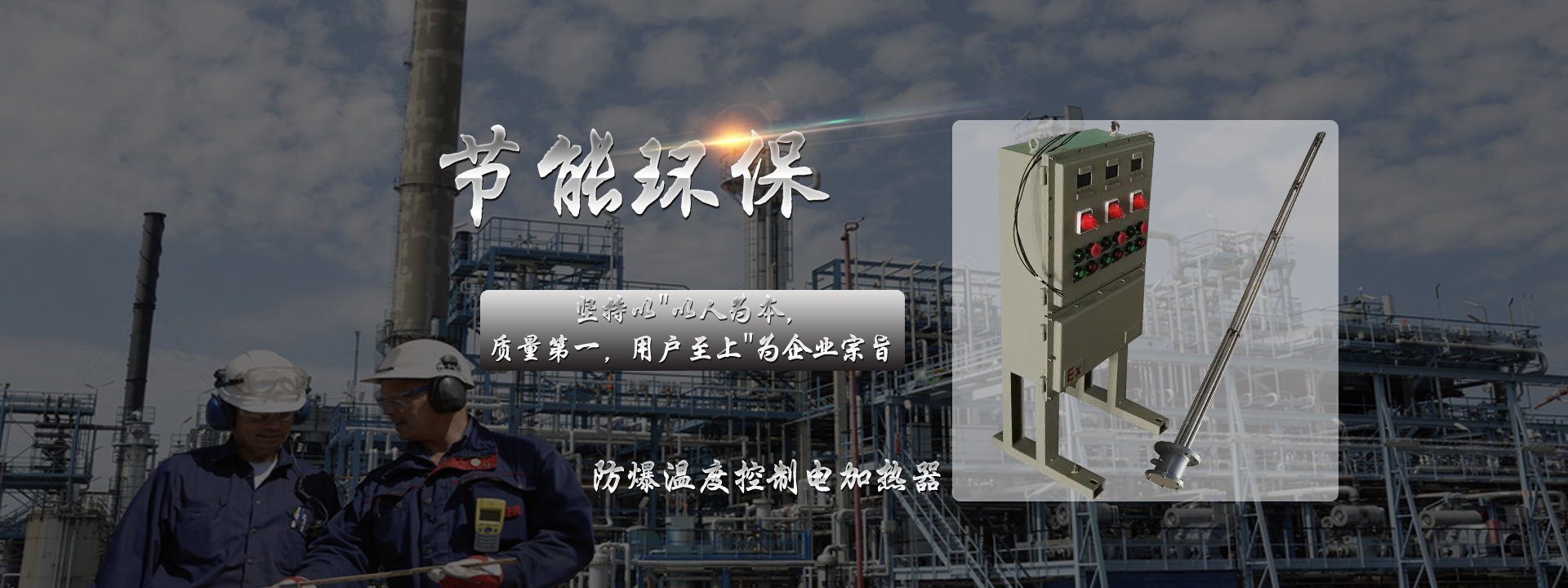
A thermal oil electric heater is a highly efficient heating device that uses electrical energy as a heat source and transfers heat through thermal oil as a medium. It is widely used in industries such as chemical, pharmaceutical, textile, and food processing, excelling in applications requiring precise temperature control and a stable heat supply. This article will detail the working principle, main application areas, and future development trends of thermal oil electric heaters.
1. Working Principle
The core of a thermal oil electric heater lies in its ability to convert electrical energy into heat and distribute it evenly through the thermal oil medium to the space or object being heated.
Electrothermal conversion: Equipped with efficient electric heating elements (such as resistance wires), heat is generated when current passes through.
Circulation system: The heated thermal oil forms a closed-loop circulation under the action of a pump, continuously transferring heat to the target area, while the cooled thermal oil returns to the heater for reheating.
Temperature control: Integrated advanced temperature control system allows precise setting and maintenance of the required temperature range, ensuring process stability.
2. Main Application Areas
Chemical industry: Used for heating equipment such as chemical reactors and distillation towers, providing stable process conditions.
Pharmaceutical industry: Supports drug synthesis, drying, and other processes, meeting GMP requirements for production environments.
Food processing: Suitable for baking, candy manufacturing, and other fields, ensuring product quality while improving production efficiency.
Textile printing and dyeing: Used in fabric setting machines, dryers, and other equipment to ensure bright colors and good hand feel of fabrics.
Other fields: Including rubber vulcanization, plastic molding, and other applications requiring precise temperature control.
3. Technical Features
High efficiency and energy saving: Uses high-quality electric heating elements and optimized flow channel design to achieve efficient energy conversion and reduce operating costs.
Safe and reliable: Equipped with multiple safety measures such as over-temperature protection and leakage protection to ensure operator safety.
Environmentally friendly: No direct pollutant emissions, making it more environmentally friendly compared to traditional combustion methods.
Intelligent control: Supports remote monitoring and automated management, allowing users to understand equipment status and make adjustments in real time.
4. Development Trends
With technological advancements and changes in market demand, thermal oil electric heaters are undergoing a series of important improvements and development directions:
Intelligent upgrade: Integrating IoT technology to achieve interconnection between devices and improve overall management level.
New material applications: Exploring new high-temperature resistant, low-viscosity thermal oil materials to further improve heat transfer efficiency.
Green energy integration: Combining with renewable energy sources such as solar and wind power to reduce dependence on external electricity and promote sustainable development.
Customized services: Providing personalized solutions based on specific customer needs to better adapt to diverse application scenarios.
Conclusion
Thermal oil electric heaters play an important role in multiple industries due to their unique advantages. Whether for industrial enterprises pursuing high production efficiency or companies focusing on environmental protection, they can benefit from them. With continuous technological innovation and development, thermal oil electric heaters are expected to show broader application prospects in the future.
If you wish to learn more specific information about thermal oil electric heaters, including the latest technological advances or specific application scenarios, please feel free to ask your questions!