
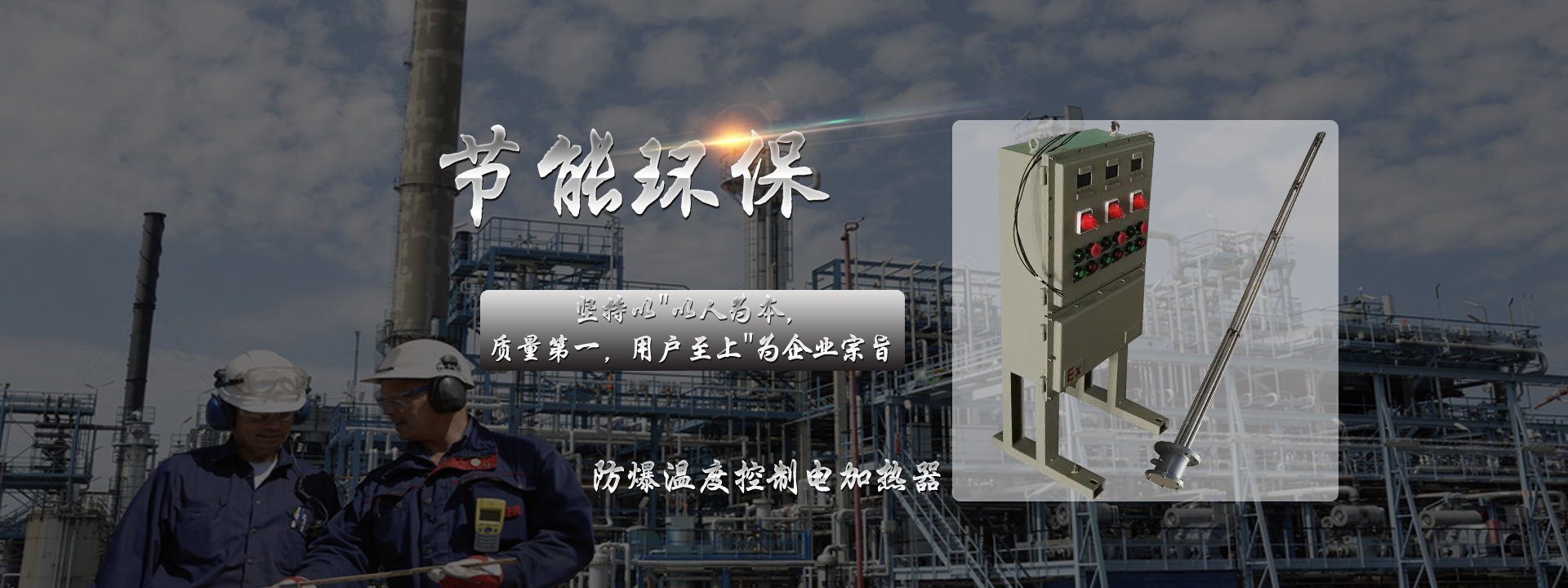
Flange electric heating tubes, as a common electric heating element, mainly convert electrical energy into thermal energy. They can be used in various electric heating equipment or independently.
It has been reported that flange electric heating tubes often experience leakage or shortened service life when used independently. We remind customers that such issues may arise from choosing substandard products on one hand, and on the other hand, the following points should be noted during use:
When flange electric heating tubes are used to heat easily meltable metals or solid substances such as nitrates, paraffin, and asphalt, the heating material should be melted first. At this time, the external voltage of the flange electric heating tube can be reduced, and then restored to the rated voltage after melting is complete. Additionally, when heating substances like nitrates that are prone to explosion, adequate protective measures should be considered.
The storage location of flange electric heating tubes should be kept dry with appropriate insulation resistance. If the insulation resistance of the storage environment is found to be too low during use, it can be restored by applying low voltage power before use. Flange electric heating tubes should be properly fixed before use, and the wiring part should be placed outside the insulation layer, avoiding contact with corrosive, explosive media and water.
When flange electric heating tubes are used for air heating, attention should be paid to their uniform arrangement. This ensures sufficient and even heat dissipation space for the tubes, maximizes air flow, and improves the heating efficiency of the flange electric heating tubes.
The gaps inside the flange electric heating tube are filled with magnesium oxide sand. The magnesium oxide sand at the outlet end of the tube is prone to contamination due to impurities and moisture infiltration. Therefore, attention should be paid to the condition of the outlet end during operation to avoid leakage accidents caused by this.