How does a liquid heating rod work?


Principle:

The solubility of a solute in a solvent is constant. For example, the solubility of table salt (NaCl) in water is 36g/100mL water at room temperature. When the concentration of a solution equals its solubility, the solution is called a saturated solution; when the concentration is higher than its solubility, the solution is called
.


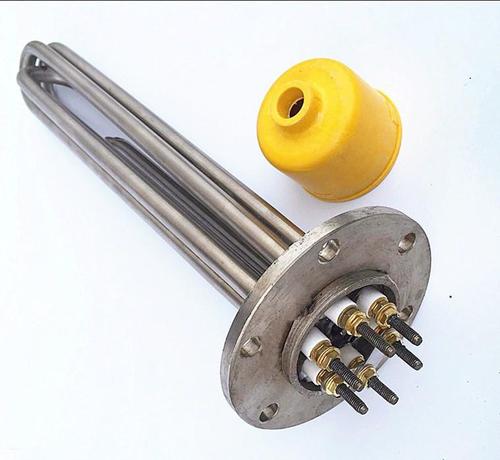
Liquid heating rod;

The most common example is a hand warmer (warm pack); the liquid inside a hand warmer is
sodium acetate (). When we twist the metal piece inside, the slight vibration is enough to cause the solute to crystallize, turning into a more stable solid; however, this process is exothermic, so the hand warmer begins to heat up. An advantage of the hand warmer is that it can be reused. Simply place the hand warmer in boiling water for about 10 minutes, and the crystallized solute will dissolve again; this is because at high temperatures, the solubility of the solute increases. During the dissolution process, the solute undergoes an endothermic reaction, becoming.