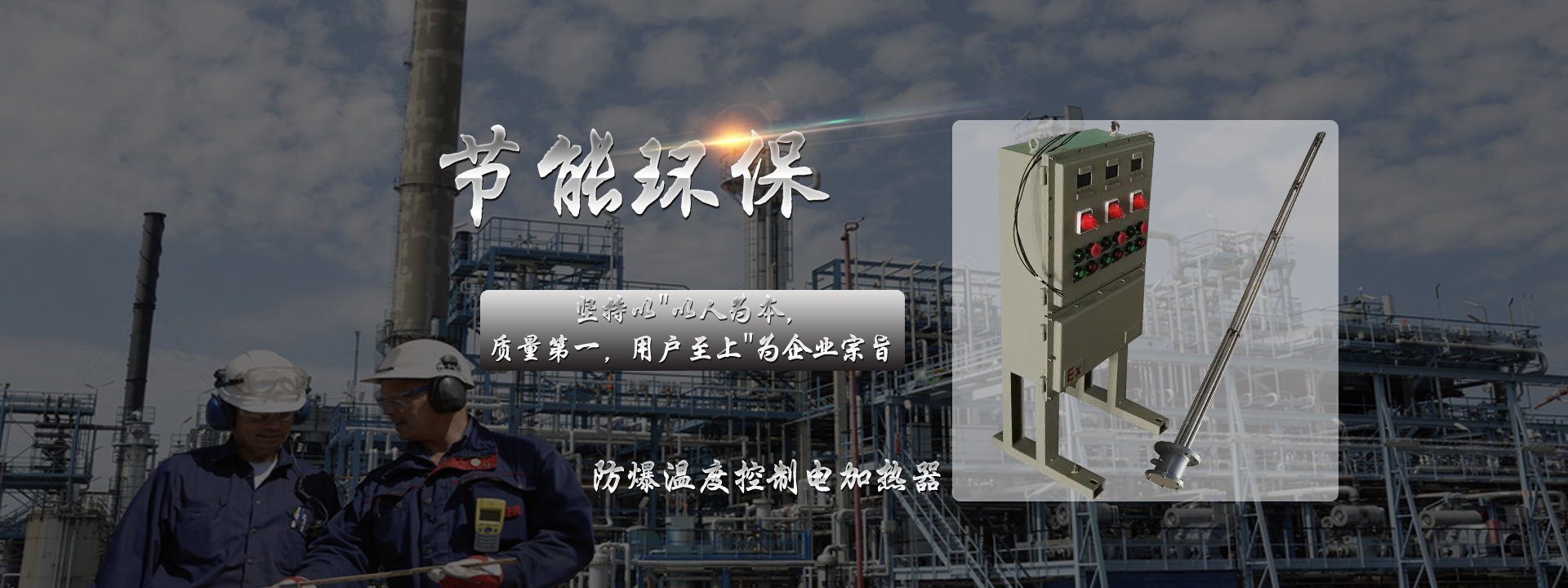

Detailed explanation;
Applicable,
Used for heating hydraulic and lubricating oil in hydraulic and lubrication devices, and also for heating non-corrosive gases or liquids. 1. This sheathed tubular electric heater is connected to the oil tank container body by flange. The sheath isolates the heating core from the heated oil. When repairing the electric heater, there is no need to drain the oil in the tank; only the heating core needs to be pulled out and replaced with a new one, making maintenance convenient. 2. When designing this sheathed tubular electric heater, the contact area between the sheath and the heated oil should be considered to prevent local carbonization of the oil due to excessive heating temperature. This type of heater is only suitable for heating oil with good heat transfer effect. 3. This sheathed tubular electric heater consists of a heating core and a protective tube. The heating core uses a tubular electric heating element as the heat source, and the protective tube is made of thin stainless steel. It has a large heat dissipation area and fast heat transfer. The terminal connection part is divided into ordinary type (using iron stretched cup-shaped shell) and special type (using bolted explosion-proof device shell seal). The special type meets the requirements of explosion-proof mark DIICT4 and protection level IP65 series standards.
Precautions:
1. The element is allowed to work under the following conditions:
A. Relative humidity of air not greater than 95%, no explosive or corrosive gases. (Except for explosion-proof heaters)
B. Working voltage should not exceed 1.1 times the rated value, and the shell should be effectively grounded.
C. Insulation resistance ≥1MΩ, dielectric strength: 2KV/1min.
2. The electric heating tube should be properly fixed and positioned. The effective heating area must be fully immersed in liquid or solid metal. Dry burning is strictly prohibited. If scale or carbon deposits are found on the tube surface, they should be cleaned promptly to avoid affecting heat dissipation and shortening service life.
3. When heating fusible metals or solid nitrates, alkalis, asphalt, paraffin, etc., first reduce the operating voltage until the medium melts, then increase to the rated voltage.
4. When heating air, the elements should be arranged crosswise and evenly to ensure good heat dissipation and full heating of the flowing air.
5. When heating nitrates, safety measures should be considered to prevent explosion accidents.
6. The wiring part should be placed outside the insulation layer to avoid contact with corrosive, explosive media, and moisture. The lead wires should be able to withstand the temperature of the wiring part and the heating load for a long time. When tightening the wiring screws, avoid excessive force.
7. The element should be stored in a dry place. If the insulation resistance is lower than 1MΩ due to long-term storage, it can be dried in an oven at about 200°C, or heated with reduced voltage until the insulation resistance is restored.
8. The magnesium oxide powder at the outlet end of the electric heating tube should be protected from contaminants and moisture to prevent leakage accidents.
Model Specification | SRY6-4 | |||
Voltage/Power | Heating Tube Surface Power cm2 | Sheath Surface Power cm2 | L(mm) |
← Previous HRY5 Sheath-type Electric Heater Next → Meltblown Fabric Heating Tube  |